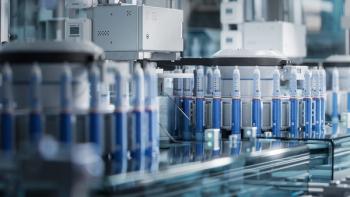
Backed by €400 million (US$449 million) in EU-cleared German aid, the new Frankfurt facility is designed to secure insulin supply for people with diabetes from 2032.
MilliporeSigma has invested $25 million to expand its cell culture media production facility in Lenexa, Kan.
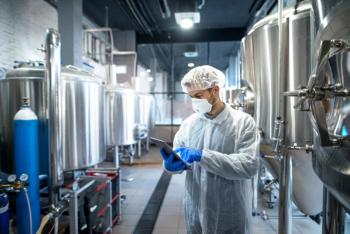
MilliporeSigma, the US and Canada Life Science business of Merck KGaA, Darmstadt Germany, has invested $25 million to expand its cell culture media production facility in Lenexa, Kan. With the investment, the company intends to add 98,000 ft2 of lab space and cell culture media production capability, the company announced in a July 12, 2023 press release.
Counting its Lenexa site, the company has a total of three centers of excellence for dry powder cell culture media manufacturing. The other two centers are in Nantong, China, serving the Asia Pacific region, and Irvine, Scotland, serving Europe, the Middle East, and Africa region.
“This expansion makes Lenexa the company’s largest dry powder cell culture media facility and [c]enter of [e]xcellence in North America,” said Darren Verlenden, head of Process Solutions, Life Science, MilliporeSigma, in the press release. “Investing in the region reflects our strategy to expand and diversify our supply chain to ensure we meet current and future demand for cell culture media.”
“The new production line represents the company’s vision for our Lenexa site, as it was initially constructed for three manufacturing lines for dry powder cell culture media,” Verlenden said in the release. “The new production line is the culmination of multiple years of planning, and now we are able to offer greater flexibility and faster cell culture media manufacturing for our customers.”
Source: