

"We want to achieve long-term memory, and we're still looking at best ways and best practices to do that with our vaccine approaches."
News|Videos|August 18, 2026
Immune Memory Drives Effective Cancer Vaccines, Say Mayo Clinic’s Dr Knutson and CellxLife’s Dr von Hofe
CellxLife CEO Dr Eric von Hofe and Mayo Clinic immunology professor Dr Keith L. Knutson explain how dendritic cell vaccines generate long-term immune memory to prevent cancer recurrence.
Advertisement
In the second segment of an interview with BioPharm International®,
Dr von Hofe notes that
How do dendritic cell vaccines generate long-term immune memory against tumor recurrence?
Dr Knutson says dendritic cells allow researchers to
"We want to achieve long-term memory, and we're still looking at best ways and best practices to do that with our vaccine approaches," Dr Knutson emphasizes, adding that a strong memory response allows the immune system to detect low levels of tumor protein and respond rapidly if cancer recurs years later.
Dr von Hofe describes the resulting memory immune cells as continuously "policing" the body, reactivating if targeted antigens reappear. He says periodic boosters may be needed to sustain long-term protection, but the approach represents the foundational goal of cancer immunotherapy.
"Once you mount a successful immune response, that will then, for your lifelong, be there policing," Dr von Hofe says.
About the speakers
Keith L. Knutson, PhD, Professor of Immunology, Mayo Clinic
Dr Knutson is a consultant in the Department of Immunology, Mayo Clinic in Florida, with a joint appointment in the Department of Cancer Biology.He serves as the director of the Mayo Clinic in Florida Cell Analysis and Cell Imaging Core.He is also co-director of the Mayo Clinic Enterprise Cancer Center’s Cancer Immunology and Immunotherapy Program and vice chair of the Mayo Clinic Enterprise Research Personnel Committee. Dr. Knutson joined the staff of Mayo Clinic in 2005 andholds the academic rank of Professor of Immunology, Mayo Clinic College of Medicine and Science. He is recognized with the distinction of the Andrew A. and Mary S. Sugg Professor of Cancer Research. He received his Bachelor of Science in Microbiology at the University of Washington and earned his PhD in Physiology and Pharmacology from the University of Georgia.
Eric von Hofe, PhD, CEO, CellxLife
Dr Hofe has more than 30 years of experience in managing and overseeing novel biotechnology approaches to cancer immunotherapy and technology development. Prior to becoming CEO of CellxLIfe, he led development efforts at AffyImmune Therapeutics raising over $20 million and advancing a novel CAR T cell therapeutic into the clinic against refractory thyroid cancer. Previously he led the development of an immunotherapeutic vaccine for breast and prostate cancer at Antigen Express, resulting in a collaboration with Merck. Prior to that he held positions at Millennium Pharmaceuticals overseeing the advancement of internal technology development projects and personalized medicine.
Advertisement
Related to this article

Nuravax will test AV-1959R in a 160-adult phase 2 trial to see whether the amyloid vaccine can prevent Alzheimer disease before symptoms begin.
At PharmSci 360, Insilica CEO Thomas Luechtefeld will present on auditable agentic AI systems and how they are expanding computational toxicology beyond single predictive models.

Backed by €400 million (US$449 million) in EU-cleared German aid, the new Frankfurt facility is designed to secure insulin supply for people with diabetes from 2032.

EA2251, the 7th registrational trial of ivonescimab, will test it plus chemotherapy vs pembrolizumab or durvalumab regimens in first-line BTC.
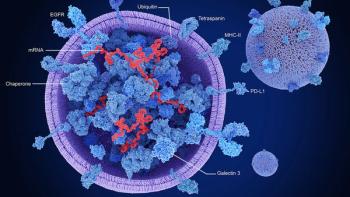
Inhaled EXO-CD24 kept 85% of patients with ARDS free of respiratory failure at day 7 vs 33.3% with placebo in a 90-patient phase 2b trial.
BMS's Dr Nathan Pennell outlines how biomarker testing barriers and trial diversity affect patient access to targeted oncology drugs.

In the phase 3 SHINE-2 trial, half of pediatric patients who responded to mirikizumab induction were in clinical remission at week 52. Lilly plans to file for a pediatric UC label expansion.
Guselkumab (Tremfya) sustained perianal fistula healing through 1 year in Crohn disease, with remission climbing to 35% in one FUZION dosing arm.
Advertisement
Advertisement
Trending on BioPharm International
1
Nuravax Alzheimer Vaccine AV-1959R Earns FDA Fast Track Designation
2
Nano24's Inhaled EXO-CD24 Cuts ARDS Mortality in Phase 2b Trial
3
Akeso's Ivonescimab Enters Phase 2/3 Biliary Tract Cancer Trial in US
4
Geneos Launches Phase 2 IMPACT31 Trial of Personalized DNA Cancer Vaccine to Prevent Liver Cancer Recurrence
5