Kamau Therapeutics announced on November 12, 2026, that FDA granted regenerative medicine advanced therapy (RMAT) designation to nula-cel, an investigational gene-corrected autologous stem cell therapy for sickle cell disease (SCD).¹ The designation is based on preliminary clinical evidence from the ongoing phase 1/2 RESTORE trial. Nula-cel also holds fast track and orphan drug designations.¹
Key facts
- Drug: nula-cel (Kamau Therapeutics)
- Class: Autologous gene-corrected hematopoietic stem cell therapy (ex vivo homology-directed repair)
- Indication studied: Severe sickle cell disease (ages 12-40 years)
- Trial: RESTORE (NCT04819841); phase 1/2, open-label, single-arm
- Efficacy: 3 of 3 patients transfusion independent with no vaso-occlusive events
- HbS: Below 20% in 2 patients with more than 6 months of follow-up
- Safety: Not reported in the release
- Regulatory status: RMAT designation (FDA), November 2026
- Other designations: Fast track and orphan drug (FDA)
- Next step: Multidisciplinary RMAT meeting request; more interim data later in 2026
“Pain crises matter, but between them, sickled cells continue damaging the body. That is why guidelines call for exchange transfusions to keep sickle hemoglobin below 30% to prevent stroke,” said Vali Barsan, MD, chief executive officer of Kamau Therapeutics, in a company press release.¹
What did the RESTORE trial show?
All 3 patients treated with the optimized manufacturing process achieved transfusion independence with no vaso-occlusive events.¹ The 2 patients with more than 6 months of follow-up have sickle hemoglobin (HbS) below 20%, with a predominantly adult hemoglobin profile.¹ That is below the 30% HbS threshold that American Society of Hematology guidelines target with regular transfusions to reduce stroke risk in SCD.¹,²
How is nula-cel designed to work?
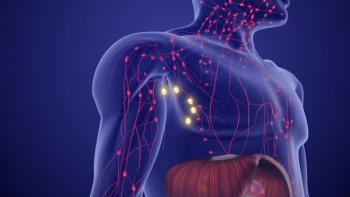
In SCD, a single mutation in the β-globin gene produces HbS. HbS polymerizes, stiffening red blood cells and driving chronic hemolysis, and organ damage builds up between pain crises.¹ Rather than inducing fetal hemoglobin to compensate for the disease, nula-cel is designed to correct the sickle mutation itself, converting it to the normal adult β-globin sequence.¹ Kamau uses ex vivo homology-directed repair to edit a patient's own hematopoietic stem cells outside the body. It verifies each product's quality, identity, potency, and safety before the cells are returned to the patient.¹ Because the corrected stem cells self-renew, a one-time treatment is intended to provide durable benefit.¹
According to Kamau, approved pharmacologic and gene therapies reduce pain crises, but none restores native adult hemoglobin or consistently achieves sustained HbS levels below 30%.¹
What does RMAT designation provide?
RMAT designation was created under section 3033 of the 21st Century Cures Act. It is available for regenerative medicine therapies, including cell therapies, that are intended to treat serious or life-threatening conditions when preliminary clinical evidence indicates the potential to address unmet medical needs.³ According to the release, designated therapies receive early, frequent FDA engagement and may be eligible for priority review and accelerated approval.¹