

“Cardiometabolic disease is the leading cause of death in most patients with chronic inflammatory conditions affecting the liver, lung and kidney. This risk is driven by multiple factors, so novel complementary approaches are urgently needed.”
News|Articles|May 7, 2026
GSK Licenses SiranBio siRNA Candidate SA030 For Cardiometabolic Disease Pipeline
Author(s)Feliza Mirasol
Listen
0:00 / 0:00
Key Takeaways
- Worldwide ex–Greater China rights to SA030 transfer to GSK post–phase 1, with SiranBio retaining early clinical execution and GSK handling later-stage development, filings, and commercialization.
- ALK7 inhibition is positioned to preferentially reduce visceral adiposity while maintaining lean mass, addressing a core driver of cardiometabolic risk and systemic inflammation.
GSK’s licensing agreement for SiranBio’s ALK7-targeting siRNA candidate expands development efforts aimed at reducing cardiometabolic risk in chronic inflammatory diseases.
Advertisement
China-based Suzhou Siran Biotechnology (SiranBio) has entered a worldwide exclusive
Under the agreement, GSK will provide an upfront payment and potential milestone payments totaling up to $1.005 billion, along with tiered royalties on product net sales in licensed territories. SiranBio will continue clinical development through completion of phase 1 studies, after which GSK will assume responsibility for further development,
SA030 is being developed as a long-acting
How does ALK7 targeting address cardiometabolic disease risk?
According to the companies, SA030 targets ALK7, a therapeutic mechanism associated with reducing visceral adipose tissue while preserving lean mass. Excess visceral adipose tissue has been increasingly linked to cardiometabolic risk and inflammation in chronic diseases affecting the liver, lung, and kidney.2
Cardiometabolic disease is reported to be the leading cause of death in approximately 50% of patients with chronic kidney and liver diseases.3 The companies stated that reducing abdominal fat may improve insulin sensitivity, lipid profiles, and inflammation driven by adipose tissue.
Preclinical studies of SA030 demonstrated a long-acting profile and low-frequency dosing potential. The candidate is also being evaluated as a complementary approach to glucagon-like peptide-1 agonists and sodium-glucose cotransporter-2 inhibitors, potentially supporting future combination treatment strategies.
“Cardiometabolic disease is the leading cause of death in most patients with chronic inflammatory conditions affecting the liver, lung and kidney,” said
What role could siRNA therapies play in metabolic and inflammatory disease?
GSK stated that the agreement aligns with its broader strategy to expand its oligonucleotide therapeutics pipeline, including siRNA and antisense oligonucleotide technologies.1 These modalities may enable targeting of disease pathways not readily addressed through traditional small molecules or biologic therapies.
The companies noted that SA030’s adipocyte-directed delivery approach is intended to address underlying inflammation associated with cardiometabolic risk.1 The program is positioned as part of a broader effort to target inflammation, fibrosis, and vascular drivers of chronic disease progression.
“SA030 builds on our emerging pipeline targeting inflammation, fibrosis, and vascular drivers of disease, and may help improve outcomes for patients,” Dr. Khavandi added in the release.1
How does the agreement expand SiranBio’s siRNA development platform?
SiranBio focuses on the development of siRNA therapeutics and extrahepatic delivery technologies, and its platform supports the full process of siRNA drug discovery.
“GSK’s resources and clinical development capabilities have the potential to accelerate the transformation of our … pipeline into therapeutics, benefitting more people in the reduction of fat and related chronic diseases,” said
SA1211, another program in SiranBio’s pipeline, is a dual-targeting siRNA candidate in clinical trials. The company has multiple licensing and collaboration agreements with pharmaceutical and biotechnology companies in China and internationally for its pipeline of nucleic acid drugs targeting antiviral, cardiovascular, and metabolic diseases.
References
- Suzhou Siran Biotechnology. SiranBio and GSK enter license agreement for oligonucleotide candidate targeting metabolic and vascular risk across lung, liver and kidney disease. Published May 6, 2026. Accessed May 7, 2026.
https://www.siranbio.com/en/news/html/?38.html - Lee JJ, Pedley A, Hoffmann U, Massaro JM, Levy D, Long MT. Visceral and intrahepatic fat are associated with cardiometabolic risk factors above other ectopic fat depots: The Framingham Heart Study. Am. J. Med. 2018;131(6):684-692.e12. doi:
10.1016/j.amjmed.2018.02.002 - Cardiovascular disease, chronic kidney disease, and diabetes mortality burden of cardiometabolic risk factors from 1980 to 2010: a comparative risk assessment. Lancet Diabetes Endocrinol. 2014;2(8):634-647. doi:
10.1016/S2213-8587(14)70102-0
Advertisement
Related to this article
A planned phase 3 trial will test the TROP2 ADC and PD-1/VEGF bispecific together in 1st-line triple-negative breast cancer.
Sanofi is paying Regeneron up to $8 billion to co-develop REGN20423 and 3 other long-acting antibodies beyond dupilumab (Dupixent).
Genentech is paying Earendil Labs $55 million upfront in a deal worth over $1.5 billion to develop bispecific antibodies for hard-to-treat cancers.

InnoCare will discover compounds against up to 5 targets for Lilly, backing a deal worth up to $3.35 billion in milestones.

Novartis has secured an exclusive worldwide license to ABO2203, Abogen's investigational mRNA-encoded CD19xCD3 T-cell engager designed to produce the bispecific inside the body to reset B cells in autoimmune disease. The agreement also includes options on other programs built on Abogen's RNA platform.

The 15-month project could let living cell therapies ship and store at room temperature, cutting cold-chain costs that limit patient access.

Ivonescimab, in phase 3 trials across 8 tumor types, will be paired with sonesitatug vedotin in new gastrointestinal cancer trials.
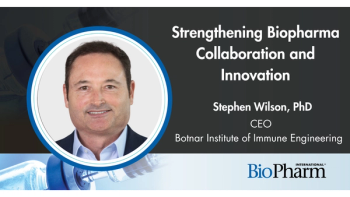
Dr Stephen Wilson, CEO of the Botnar Institute of Immune Engineering, describes Basel's collaborative ecosystem and a 3-year roadmap linking research to global clinical partners.
Advertisement
Advertisement