

"As the first therapy approved for wAIHA, Imaavy has the potential to redefine the management of wAIHA, particularly for those with uncontrolled disease." — David M. Lee, MD, PhD, global immunology therapeutic area head, Johnson & Johnson¹
News|Events|August 25, 2026
FDA Approves J&J's IMAAVY as First Treatment for Warm Autoimmune Hemolytic Anemia
Author(s)Emily Schoenthaler
Listen
0:00 / 0:00
The FDA has approved IMAAVY (nipocalimab-aahu), an FcRn-blocking antibody from Johnson & Johnson, as the first therapy specifically approved for warm autoimmune hemolytic anemia (wAIHA), based on Phase 2/3 ENERGY trial data showing durable hemoglobin response and reduced fatigue versus placebo.
Advertisement
The FDA has approved nipocalimab-aahu (Imaavy) for warm autoimmune hemolytic anemia (wAIHA) in adults and pediatric patients 12 and older who are currently or previously treated with corticosteroids, marking the first therapy proven safe and effective specifically for the disease.¹ The approval follows FDA Priority Review, which BioPharm International© covered when the designation was granted in April.²
How does Imaavy work, and what did the trial show?
IMAAVY is designed to target and block the neonatal Fc receptor (FcRn), reducing circulating pathogenic IgG autoantibodies while preserving B-cell function.¹ In wAIHA, these autoantibodies attach to and destroy red blood cells, causing severe anemia, profound fatigue, and increased risk of complications including venous thrombotic events, acute renal failure, and infection.¹ This mechanism differs from prior standard-of-care options, which have been limited to corticosteroids and immunosuppressants that broadly suppress the immune system rather than targeting the disease-driving antibodies.¹
In the randomized, placebo-controlled Phase 2/3 ENERGY trial, approximately three times as many patients receiving the approved 30 mg/kg dose achieved durable hemoglobin response by 24 weeks compared with placebo, with a mean hemoglobin increase of 1 g/dL observed at Week 1.¹ Patients also showed a 3.5-point higher mean FACIT-Fatigue score versus placebo at Week 24, indicating less fatigue.¹ Safety in the trial was consistent with Imaavy’s established profile in generalized myasthenia gravis (gMG), a condition for which nipocalimab has shown sustained disease control through more than two years of follow-up in separate long-term data BioPharm International has also covered.³
"The Phase 2/3 ENERGY study demonstrates that targeting pathogenic IgG can meaningfully change the treatment paradigm for wAIHA," said David Kuter, MD, DPhil, distinguished physician at Massachusetts General Hospital and professor of medicine at Harvard Medical School. "More patients treated with Imaavy achieved a durable hemoglobin response compared with placebo — meaning their red blood cell levels went up and stayed up."¹
How common is wAIHA, and why has treatment been limited?
wAIHA affects an estimated 1 to 3 people per 100,000 annually, with roughly 1 in 8,000 individuals living with the condition; it can occur at any age but incidence rises after 50.¹ Independent estimates from the National Organization for Rare Disorders place AIHA incidence in a similar range (0.8 to 3 per 100,000 annually), broadly consistent with the release's figures.⁴ Until now, patients have relied on corticosteroids and immunosuppressants extrapolated from broader treatment experience rather than therapies developed and approved specifically for wAIHA.¹
"Living with wAIHA often means relentless fatigue and the constant uncertainty of not knowing what tomorrow will bring," said Karen Jones, president and executive director of wAIHA Warriors. "For the first time, our community has a treatment specifically for our disease."¹
What's next?
Imaavy becomes nipocalimab's second approved indication after gMG, and J&J is continuing to investigate the molecule across rheumatologic, rare autoantibody, and maternal-fetal disease areas mediated by IgG.¹ "This milestone reinforces our motivation to continue pursuing advanced therapies for people living with allo- and autoantibody diseases like wAIHA," said David M. Lee, MD, PhD, global immunology therapeutic area head at Johnson & Johnson.¹
References
- Johnson & Johnson.
FDA approves IMAAVY® (nipocalimab-aahu) as first-ever treatment for warm autoimmune hemolytic anemia (wAIHA), representing a landmark advancement for patients. Press release. Published August 24, 2026. Accessed August 24, 2026. FDA Priority Review Advances Nipocalimab for Adults With Warm Autoimmune Hemolytic Anemia . BioPharm International. Published April 27, 2026. Accessed August 24, 2026.Nipocalimab Demonstrates Sustained Disease Control Over Two Years in Generalized Myasthenia Gravis . BioPharm International. Published June 15, 2026. Accessed August 24, 2026.- National Organization for Rare Disorders.
Warm Autoimmune Hemolytic Anemia . Accessed August 24, 2026.
Advertisement
Related to this article

MT027, T-MAXIMUM's B7-H3 CAR-T therapy, earns a second FDA-cleared phase 2 trial, now testing lung and breast cancer brain metastases.
Antisense oligonucleotides are reshaping drug design, from RNase H gapmers to inhaled delivery; this FAQ explains how they work and why trials still fail.
Genglycos, the gene therapy that earned the voucher, will fund new Ultragenyx therapies for other rare and ultra-rare diseases.

AbbVie's c-Met ADC Temab-A showed a 15.6% response rate in late-line colorectal cancer ahead of its 2 new FDA breakthrough designations.
Manufacturing remediation, not efficacy or safety data, is delaying US approval of Novo's h+emophilia A therapy denecimig.
Doubled drug substance capacity at Alvotech's Reykjavik, Iceland, site aims to secure steady US supply of the Humira biosimilar Simlandi.
LumaLex Law's Dustin Robinson explains why retatrutide compounding remains illegal regardless of the Seventh Circuit's pending classification ruling.
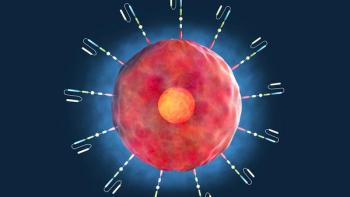
As ArsenalBio, TScan, and others abandon ex vivo programs for in vivo engineering, early clinical data and platform differences point to both the promise and the unresolved safety, manufacturing, and regulatory questions of generating CAR-T cells inside the body.
Advertisement
Advertisement