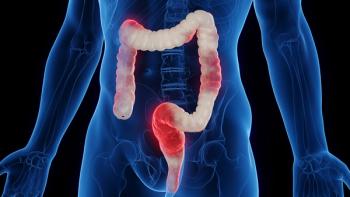
Odyssey's 146-patient phase 2a trial will pair OD-001 with vedolizumab, targeting both innate and adaptive immune drivers of ulcerative colitis.
Advances in predictive modeling, translational bioanalytics, and human-relevant research systems may help reduce reliance on animal testing while improving the clinical relevance of preclinical drug development. Experts say these approaches could streamline IND preparation, lower costs, and support more informed decision-making across biopharmaceutical R&D.
A: There’s a lot of activity that starts very early in discovery, continues through process development, and ultimately supports investigational new drug (IND)-enabling activities. When I look at that process, much of it has value because we’re learning about a molecule’s ability to be expressed and formulated, as well as its safety and toxicology profile. All of that becomes part of the development package.
But what we have also found is that there can be some redundancy and exaggeration in preclinical development, particularly because many studies still rely heavily on animal species. With FDA, EMA, and PMDA guidance increasingly encouraging reduced animal use, regulators are also recognizing that some traditional packages may not provide the same value they once did when the field was newer.
There’s a lot more data which can be now mined back to make predictive models, whether they’re mathematical models or even more human relevant physiological models, so that we don’t have to rely on animals.
For me, the opportunity here is twofold. First, we want to reduce unnecessary animal use whenever possible, especially non-human primates and even rodents. Second, we want to better understand pharmacology and safety the way it would actually occur in humans. In many cases, responses observed in animal models can be exaggerated compared with what we see clinically.
That creates an opportunity to generate more relevant knowledge for IND submissions while potentially reducing costs and streamlining development timelines for sponsors.
I also think advances in translational bioanalytics are helping move the field forward. We now have platforms such as Meso Scale Discovery (MSD)-based electrochemiluminescence assays, enzyme-linked immunosorbent assay (ELISA) systems, and other technologies that allow us to evaluate immune responses in more meaningful and individualized ways. Rather than relying exclusively on traditional tiered immunogenicity workflows and fixed assay cut points, researchers are increasingly able to analyze longitudinal patient response data and better understand variability between individuals.
That type of human-relevant analytical data can complement predictive models and help sponsors make more informed decisions earlier in development, potentially reducing unnecessary animal studies while improving translational relevance for IND programs.
The broader shift toward predictive modeling, human-relevant systems, and individualized immune monitoring reflects where I believe preclinical and translational development are headed. The future will likely involve more integrated strategies that combine computational models, translational biomarkers, targeted in vivo studies, and human-based analytical systems to support smarter and more clinically relevant decision-making.
Dr. Vibha Jawa is chief scientific officer at EpiVax, where she leads scientific strategy and research initiatives focused on biologics, vaccines, and cell and gene therapies. Previously, she held leadership roles at Bristol Myers Squibb, Merck, and Amgen, supporting bioanalytical and immunogenicity programs from discovery through clinical development.