In the first part of a two-part interview, Paz Vellanki of Precision for Medicine explains what sponsors should bring to early FDA meetings and how manufacturing and assay readiness can delay rare disease trials.
The company said it plans to expand diabetes manufacturing facilities in the United States.
In an
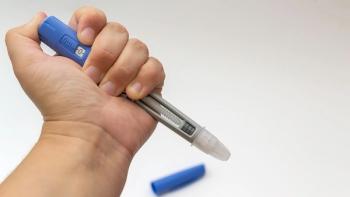
Lilly revealed it would be investing $85 million in an expansion of its Trulicity (dulaglutide) device assembly operations in Indianapolis and $140 million in an insulin cartridge production facility. The subsequent investments are part of a five-year plan by Lilly to expand diabetes manufacture in the US. In the past five years, the company has invested $1.1 billion in expanding US diabetes operations. Lilly also mentioned that it has made a $70-million capital commitment in a small-molecule laboratory on its Indianapolis campus.
In 2016 Lilly struck a pay-for-performance deal with Harvard Pilgrim, giving Trulicity preferred status on the company’s formulary. According to the terms of the deal, if patients achieve a less than 8% HbA1c while taking Trulicity compared to other GLP-1 receptor drugs, Harvard Pilgrim will pay a lower net cost to Lilly for the drug. This new investment in Trulicity manufacture may mean that the company is confident in the success of its diabetes treatment, which
Lilly’s investment announcements came with a direct message for the new Presidential administration. The company said in a
Ricks called the US federal tax system “outdated” and said that it is forcing biopharma manufacturers to expand overseas, in countries including Ireland, Switzerland, and France. Ricks said lowering the tax rate would make it possible for more companies to remain in the US and that hiring US workers “makes good business sense.” Ricks specifically mentioned the Swiss company Novartis, a Lilly competitor, which likely pays a
Source: