Interim phase 1/2 data presented at Retina in Rio 2026 showed sustained visual improvements with Opus Genetics’ AAV8 gene therapy OPGx-LCA5 and improved retinal sensitivity with OPGx-BEST1 in inherited retinal diseases.
UCB has announced it will build a new innovative gene therapy facility in Belgium.
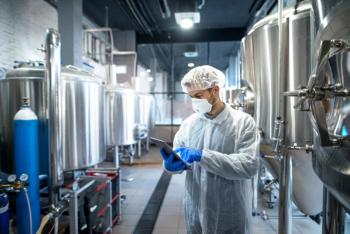
UCB announced on March 8, 2022 that it will build a new innovative facility, focused on gene therapy process development and clinical manufacturing, in Wallonia, Belgium. The new facility will be BREEAM (Building Research Establishment Environmental Assessment Method) certified, supporting UCB’s carbon neutrality ambition to reduce resource consumption and waste production. The 17,0000-sq.-ft. facility is expected to be operational in 2024.
The development of the gene therapy field fuels a change in how diseases are treated, focusing on disease modification rather than just symptom treatment. The new facility will provide end-to-end process and analytical development, clinical manufacturing, quality control, scalability, and speed to UCB’s gene therapy research projects.
“Upon completion of our new gene therapy development and clinical manufacturing facility, UCB will have complete ownership and control of its chemistry, manufacturing and controls (CMC) capabilities, this will enable agility, flexibility, unparalleled product and process understanding, scalability, and yield improvements, all translating to a significant competitive advantage for UCB and a smart investment in the technologically evolving gene therapy landscape,” said Dr. Kirsten Lund-Jurgensen, executive VP and head of supply & technology solutions at UCB.
Source: