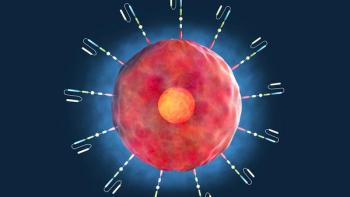
In regulatory news, the FDA has granted RMAT designation to Orca-Q, a cell therapy being evaluated for patients with high-risk hematologic malignancies. The Regenerative Medicine Advanced Therapy designation is intended to accelerate development and review timelines for therapies addressing serious conditions. Orca-Q is designed to improve outcomes following allogeneic hematopoietic stem cell transplantation, with early data suggesting potential to reduce complications while maintaining anti-tumor activity.
Finally, on the business front, Ligand Pharmaceuticals is moving to strengthen its portfolio through a $739 million acquisition of XOMA. The deal is expected to expand Ligand’s royalty revenue base and enhance its access to late-stage and commercial assets. The transaction reflects continued consolidation trends across the biopharma sector, particularly among companies focused on royalty financing and asset-light business models.
Thanks for listening to The BioPharm Brief. For analysis and expert insights, please visit BioPharmInternational.com.
KEY TAKEAWAYS
- Survodutide achieved significant weight loss in Phase III, highlighting dual-target metabolic strategies
- FDA RMAT designation for Orca-Q may accelerate development in high-risk hematologic cancers
- Ligand’s $739 million acquisition of XOMA expands its royalty portfolio and commercial reach