News|Podcasts|April 27, 2026

The BioPharm Brief: FDA Advances Autoimmune Pipeline with New Delivery Options and Priority Review

The BioPharm Brief covers three recent FDA developments shaping the autoimmune and inflammatory disease landscape. The agency cleared a subcutaneous autoinjector for anifrolumab in systemic lupus erythematosus, enabling at-home administration. It also granted Priority Review to nipocalimab for warm autoimmune hemolytic anemia, highlighting its potential as a targeted treatment for a rare condition. In addition, a supplemental application has been submitted for subcutaneous risankizumab as an induction therapy in Crohn disease, which could reduce the need for infusion-based initiation. Together, these updates reflect a growing focus on patient convenience, expanded access, and more precise treatment approaches in immune-mediated diseases.

Welcome to the April 27th, 2026, episode of The BioPharm Brief. Today’s update highlights three regulatory developments from the FDA, all pointing to continued momentum in autoimmune and inflammatory disease treatment.

First, the FDA has cleared a subcutaneous autoinjector version of anifrolumab for patients with moderate to severe systemic lupus erythematosus, or SLE. The therapy was previously administered as an intravenous infusion. The new autoinjector allows for at-home use, offering a more convenient option while maintaining a safety profile consistent with earlier data.

In another development, the FDA has granted Priority Review to nipocalimab for adults with warm autoimmune hemolytic anemia, a rare condition where the immune system destroys red blood cells. The designation shortens the review timeline and reflects the therapy’s potential to address an unmet medical need. Clinical data have shown improvements in hemoglobin levels and reductions in fatigue compared with placebo.

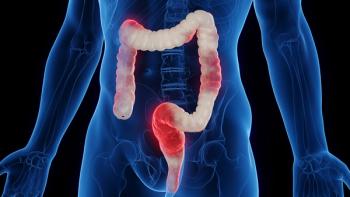
And in inflammatory bowel disease, AbbVie has submitted a supplemental application seeking FDA approval for subcutaneous risankizumab as an induction therapy for moderately to severely active Crohn disease.

Currently, the therapy is approved as an intravenous induction followed by subcutaneous maintenance. The new filing is supported by a Phase 3 study evaluating clinical remission and endoscopic response at 12 weeks.

If approved, the subcutaneous induction option could simplify treatment by reducing the need for infusion-based initiation.

Taken together, these updates reflect a broader trend toward more flexible drug delivery and targeted therapies in immune-mediated diseases.

Thanks for listening to The BioPharm Brief. For analysis and expert insights, please visit BioPharmInternational.com.

KEY TAKEAWAYS

  • The FDA cleared an at-home autoinjector for anifrolumab in lupus treatment.
  • Nipocalimab received Priority Review for a rare autoimmune blood disorder.
  • A new filing for risankizumab could expand subcutaneous treatment options in Crohn disease.