Delivering clinical supplies into the European Union and United Kingdom requires rigorous oversight from a QP to ensure every batch meets regulatory, GMP, and trial-specific requirements. Yet, many sponsors face preventable delays, often due to incomplete documentation, limited supply chain visibility, or late communication of changes. This paper breaks down the core responsibilities of the QP, explains how European Union and United Kingdom expectations differ, and share practical steps sponsors can take to streamline the certification process. Readers will learn how to prepare audit-ready documentation, avoid common pitfalls that extend release timelines, and build efficient collaborations with QPs to keep studies moving without interruption.
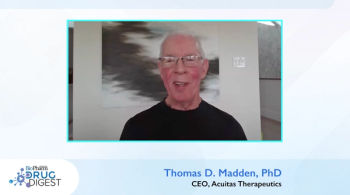
Acuitas CEO Dr Thomas Madden and NanoVation co-founder and president Dr Dominik Witzigmann discuss how LNP engineering is expanding genetic medicine applications to traditionally undruggable targets.
AstraZeneca's sBLA for durvalumab combined with neoadjuvant enfortumab vedotin in muscle-invasive bladder cancer, based on the Phase 3 VOLGA trial, has a PDUFA date expected in the fourth quarter of 2026.
IMVT-1402 (imeroprubart) failed to reach statistical significance on CLASI-A at Week 12 in a 57-patient proof-of-concept study, and Immunovant will stop development in cutaneous lupus erythematosus. The anti-FcRn antibody continues in five other autoimmune indications.
SOTIO Biotech's LRRC15-targeted antibody-drug conjugate SOT106 now holds both Orphan Drug and Fast Track Designations in soft tissue sarcoma and osteosarcoma. The company expects to start first-in-human testing later in 2026.
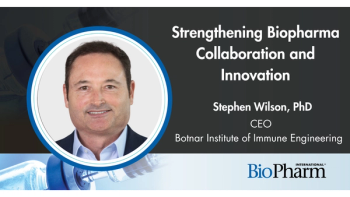
Dr Stephen Wilson, CEO of the Botnar Institute of Immune Engineering, describes Basel's collaborative ecosystem and a 3-year roadmap linking research to global clinical partners.