Propanc Reports Scalable Yeast-Based Production of Recombinant Trypsinogen, Chymotrypsinogen for Backup Cancer Therapy
Key Takeaways
- Komagataella phaffii expression with HAC1 and PDI1 co-expression enabled secretion and purification of recombinant trypsinogen and chymotrypsinogen, supporting feasibility for scale-up toward therapeutic-grade production.
- Rec-PRP is positioned as a synthetic contingency to bovine-sourced PRP, with planned non-GMP small-scale runs to establish comparability and formulation compatibility before regulatory pathway selection.
Propanc Biopharma has reported peer-reviewed data on scalable recombinant production of trypsinogen and chymotrypsinogen, supporting a synthetic backup to its lead cancer candidate, PRP.
Propanc Biopharma, Inc. (Nasdaq: PPCB) has published findings in the peer-reviewed journal Microbial Cell Factories showing that recombinant versions of 2 pancreatic proenzymes—trypsinogen and chymotrypsinogen—can be produced at scale in yeast, yielding stable, purified proteins. The work, conducted with research partners at the Universities of Jaén and Granada in Spain, supports development of a synthetic backup, called rec-PRP, to the company's lead candidate, PRP, a bovine-derived proenzyme therapy in development for metastatic solid tumors.
"A fully synthetic recombinant version of PRP is the next phase of our strategic plan in building a new therapeutic drug class," said James Nathanielsz, Propanc's chief executive officer.
What did the study evaluate?
The study, led by researcher Aitor González, assessed production of trypsinogen and chymotrypsinogen in the yeast Komagataella phaffii through co-expression of 2 genes, HAC1 and PDI1, which support protein folding and secretion.
The researchers reported that recombinant expression of both proenzymes yielded stable, purified proteins, supporting feasibility for scaled biotechnology and, eventually, human therapeutic production. Rec-PRP is planned for initial production at small scale under non-good manufacturing practice (non-GMP) conditions to confirm compatibility with the bovine-sourced formulation before a regulatory pathway is determined.
Why does this matter for metastatic cancer?
Metastatic disease remains the leading driver of cancer mortality, and the global metastatic cancer market is projected to exceed $111 billion by 2027, according to Emergen Research figures cited in the release.
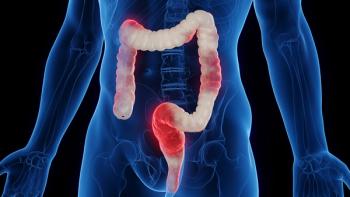
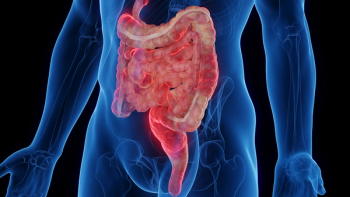
Solid tumors such as pancreatic, ovarian, and colorectal cancers continue to carry high recurrence rates and limited long-term treatment options, leaving demand for therapies that address disease drivers beyond direct cytotoxicity.

What is PRP, and how far along is it?
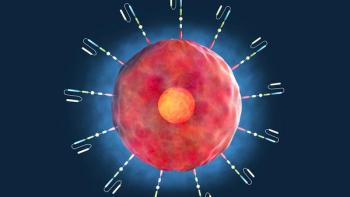
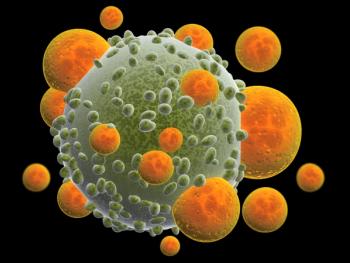
PRP combines trypsinogen and chymotrypsinogen, proenzymes naturally involved in digestion, in a fixed ratio administered intravenously; the candidate is designed to target cancer stem cells, suppress epithelial-mesenchymal transition, and limit tumor angiogenesis. FDA granted PRP orphan drug designation for pancreatic cancer in 2017, and Propanc has said it is preparing a phase 1b first-in-human study in patients with advanced solid tumors, expected to begin in early 2027.
An earlier recombinant-proenzyme collaboration by the same research group reported that lab-produced trypsinogen and chymotrypsinogen showed anti-tumor activity comparable to, and in pancreatic cancer stem cell assays potentially exceeding, that of the bovine-derived material.
What are the practical implications?
Beyond supply diversification, the company noted that yeast-derived proenzymes form crystallized proteins that may withstand long-term storage without refrigeration, a feature that could aid distribution in warmer or resource-limited regions.
What are the limitations?
The current data describe a manufacturing and protein-characterization study, not a clinical trial; no human efficacy or safety data for rec-PRP have been reported. Compatibility testing against the bovine-sourced product and selection of a regulatory pathway remain outstanding steps before rec-PRP could advance toward clinical development.
Key Facts
- Drug: Recombinant trypsinogen/chymotrypsinogen (rec-PRP)
- Indication: Metastatic solid tumors (backup to PRP)
- Study: Yeast (K phaffii) production, peer-reviewed
- Partners: Universities of Jaén and Granada, Spain
- Status: Non-GMP small-scale production planned
- Related: PRP phase 1b trial expected early 2027
References
- Propanc Biopharma, Inc. Propanc Biopharma publishes evaluation of recombinant trypsinogen & chymotrypsinogen in peer reviewed journal. Published July 21, 2026. Accessed July 21, 2026. https://www.propanc.com/news-media/press-releases
- Propanc Biopharma, Inc. Propanc Biopharma unveils PRP: a game-changing proenzyme therapy poised to challenge standard cancer treatments in the $3+ billion pancreatic cancer market. Published February 5, 2026. Accessed July 21, 2026. https://www.globenewswire.com/news-release/2026/02/05/3233021/0/en/
- Propanc Biopharma, Inc. Propanc Biopharma produces synthetic recombinant proenzymes for cancer therapy targeting advanced solid tumors. Published July 5, 2023. Accessed July 21, 2026. https://www.propanc.com/news-media/press-releases/detail/153/