Ipsen announced July 22, 2026, that it has completed its acquisition of Memo Therapeutics , a late-stage biotechnology company developing potravitug, a first-in-class monoclonal antibody targeting BK polyomavirus (BKPyV) reactivation in kidney transplant recipients. The deal adds an investigational antiviral candidate to Ipsen's rare disease pipeline in an area with no approved targeted therapies.1
"With potravitug, we have the opportunity to add a promising first-in-class asset to our rare disease pipeline and address the significant clinical consequences of BK virus–associated nephropathy in kidney transplant recipients, where current standards of care can compromise transplant success and graft outcomes," said Christelle Huguet, PhD, executive vice president and head of R&D at Ipsen, when the deal was first announced in early July 2026.2
Key facts
- Drug: Potravitug, anti-BKPyV monoclonal antibody
- Indication: BK polyomavirus–associated nephropathy
- Trial: Phase 2 SAFE KIDNEY II (n=95, 22 US sites)
- Deal: Ipsen acquires Memo Therapeutics
- Deal value: €200 million (US$228 million) upfront, up to €700 million (US$799 million) total
- Status: Acquisition completed July 22, 2026
Potravitug has been evaluated in the phase 2 SAFE KIDNEY II trial, which Ipsen describes as the largest placebo-controlled study conducted in this patient population, with additional analyses presented at international renal and transplant congresses.1
What did the SAFE KIDNEY II trial show?
The phase 2 SAFE KIDNEY II trial enrolled 95 kidney transplant recipients with BKPyV reactivation across 22 US sites.2 By week 38, 24.4% of potravitug-treated patients achieved undetectable BKPyV-DNAemia versus 13.0% on placebo, and 40.3% achieved a greater than 2-log10 viral load reduction versus 24.7% on placebo.2
By week 20, biopsy-proven BKPyV-associated nephropathy (BKVAN) had declined from 51.2% to 31.6% in the potravitug arm, with no corresponding change in the placebo arm; Ipsen reported no treatment-related serious adverse events.2 The company has stated the totality of this evidence supports moving into a pivotal phase 2/3 trial later in 2026.2
Why does BKPyV reactivation matter for transplant recipients?
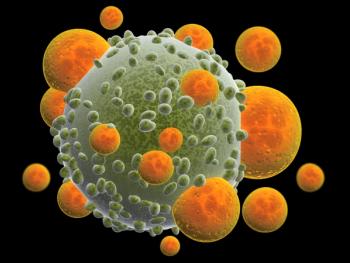
BKPyV is a common virus most people first encounter in childhood and that typically remains dormant.1 In immunocompromised patients, including transplant recipients on anti-rejection therapy, the virus can reactivate; around 90% of kidney transplant recipients are BKPyV-seropositive, and roughly 30% show elevated blood BKPyV levels indicating reactivation within the first year post-transplant.1

BKVAN can raise the risk of graft loss and may require dialysis or re-transplantation.1 With no approved targeted therapy, clinical management instead centers on reducing immunosuppression to balance graft protection against viral control, which is a trade-off that itself elevates rejection risk.3
What is potravitug, and how does it work?
Potravitug is a monoclonal antibody directed against the BKPyV VP1 capsid protein, working by blocking viral attachment and cell entry to prevent infection of host cells and subsequent replication.2
The scale of the underlying patient population is substantial: more than 100,000 kidney transplants are performed worldwide each year, including over 28,000 in the United States, with more than 90,000 patients on the US waiting list.4
What does the acquisition mean for Ipsen's rare disease strategy?
The acquisition adds potravitug to rare disease, one of Ipsen's three core therapeutic areas alongside oncology and neuroscience.1
Under deal terms disclosed when the agreement was signed, Memo Therapeutics shareholders received €200 million (US$228 million) upfront, with additional development, regulatory, and sales-based milestone payments that could bring total consideration to more than €700 million (US$799 million).2
What are the limitations of the available data?
Ipsen's July 22 completion announcement does not itself restate numeric trial results or deal terms. Those figures were disclosed when the agreement was first signed in the beginning of July.1, 2
As with any newly acquired late-stage asset, potravitug still requires further clinical development, including the planned pivotal trial, and regulatory review before it could reach patients.
References
- Ipsen. Ipsen completes acquisition of Memo Therapeutics AG, adding first-in-class asset to Ipsen's Rare Disease pipeline. Published July 22, 2026. Accessed July 22, 2026. https://www.ipsen.com/press-release/ipsen-completes-acquisition-of-memo-therapeutics-ag-adding-first-in-class-asset-to-ipsens-rare-disease-pipeline-3331074/
- Ipsen. Ipsen to acquire Memo Therapeutics AG, adding first-in-class BK polyomavirus antibody, expanding rare disease portfolio. Published July 1, 2026. Accessed July 22, 2026. https://www.ipsen.com/press-release/ipsen-to-acquire-memo-therapeutics-ag-adding-first-in-class-bk-polyomavirus-antibody-expanding-rare-disease-portfolio-3320317/
- Kotton CN, Kamar N, Wojciechowski D, et al. The second international consensus guidelines on the management of BK polyomavirus in kidney transplantation. Transplantation. 2024;108(9):1834-1866. doi:10.1097/TP.0000000000004976
- Lentine KL, Smith JM, Millier JM, et al. OPTN/SRTR 2021 annual data report: kidney. Am J Transplant. 2023;23(2 Suppl 1):S21-S120. doi:10.1016/j.ajt.2023.02.004