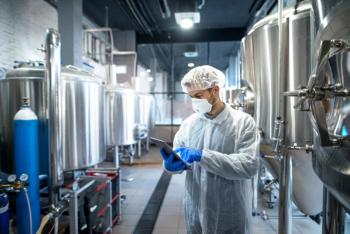
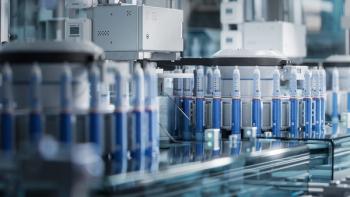
"The La Jolla GMP facility will be a crucial addition to Generate's vision for our newborn stem cell operation," said Jaime Shamonki, chief medical officer of Generate Life Sciences, in a press release. "As the largest private newborn stem cell biorepository in the world, we believe it is our duty to continually invest in new scientific applications for newborn stem cells with the goal to increase access to novel therapies for families. With this facility, we will have the in-house capability to take these stem cells through the complete process of collection, cryogenic storage, and ultimately biologics manufacturing. This will allow us to power our studies in a much more efficient and streamlined manner and help us better serve the families who have stored over 1.2 million stem cell units with us."
Mesenchymal stem cells (MSCs) can be isolated from the umbilical cord tissue and used in regenerative medicine due to their anti-inflammatory, immune-modulating, and tissue reparative properties. Researchers and scientists are targeting the use of MSCs for the treatment of conditions such as autoimmune disease, acquired neurological diseases, lung disease, and conditions related to infertility. In addition, MSCs are being used in clinical trials for cell therapy, gene therapy, tissue-engineering, and combination products.
Source: Generate Life Sciences