|Articles|October 20, 2020

Catalent Introduces New Softgel Technology

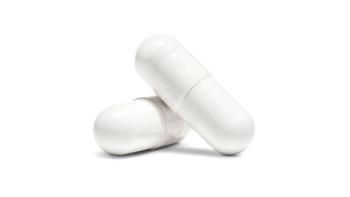
OptiGel DR softgel capsules are formed by the combination of pectin, a naturally derived polysaccharide, and gelatin, which eliminates the need for a separate capsule coating step.

Catalent announced on Oct. 19, 2020 that it is launching OptiGel DR technology for the formulation and manufacture of delayed/enteric release softgels.

OptiGel DR technology forms softgel capsules by combining pectin, a naturally derived polysaccharide, and gelatin, which eliminates the need for a separate capsule coating step, a company press release said. The capsules can also reduce gastric reflux effects.

“[T]his latest evolution of the technology allows innovators to design the most efficient products and bring superior pharmaceutical and nutraceutical products to the marketplace,” said Dr. Aris Gennadios, president, Softgel and Oral Technologies, Catalent, in the press release. “The technology we have developed allows the delayed release profile to be incorporated into the softgel capsule shell, broadening the applications, and making a separate capsule coating step unnecessary. This reduces time and yield loss and eliminates potential quality issues associated with coated softgels.”

Catalent’s St. Petersburg, FL, site will be the first to offer the new technology before it expands to the company’s other softgel manufacturing facilities in Brazil, Canada, Germany, Italy, and Japan.

Source: Catalent​ ​ ​ ​ ​ ​ ​ ​ ​ ​ ​ ​ ​ ​ ​ ​ ​ ​ ​ ​ ​ ​ ​ ​ ​ ​ ​ ​ ​ ​ ​ ​ ​ ​ ​ ​ ​ ​ ​ ​ ​ ​ ​ ​ ​ ​ ​ ​ ​ ​ ​ ​ ​ ​ ​ ​ ​ ​ ​ ​ ​ ​ ​ ​ ​ ​ ​ ​ ​ ​ ​ ​ ​ ​ ​ ​ ​ ​ ​ ​ ​ ​ ​ ​ ​ ​ ​ ​ ​ ​ ​ ​ ​ ​ ​ ​ ​ ​ ​ ​ ​ ​ ​ ​ ​ ​ ​ ​ ​ ​ ​ ​ ​ ​ ​ ​ ​ ​ ​ ​ ​ ​ ​ ​ ​ ​ ​ ​ ​ ​ ​ ​ ​ ​ ​ ​ ​ ​ ​ ​ ​ ​ ​ ​ ​ ​ ​ ​ ​ ​ ​ ​ ​ ​ ​ ​ ​ ​ ​ ​ ​ ​ ​ ​ ​ ​ ​ ​ ​ ​


Related to this article

The BioPharm Brief: A $7 Billion Oncology Option Deal, a TL1A Pivot, and Oral Adalimumab Heads to the Clinic
Boehringer Ingelheim licenses six preclinical ADC and T-cell engager programs from Sino Biopharmaceutical in a deal worth up to $7 billion, Spyre Therapeutics drops anti-TL1A antibody SPY072 in rheumatic diseases after phase 2 misses and turns to hidradenitis suppurativa, and Biora Therapeutics gets ethics approval for a first-in-human trial of its BioJet oral adalimumab capsule.
The Promise of Microgravity for R&D and Manufacturing
As access to low Earth orbit expands, space-based research is opening possibilities in drug discovery, formulation, and manufacturing. In Part 1, the authors look at how microgravity changes biology and chemistry in ways that can’t be reproduced on Earth and where it fits from target discovery to life cycle management.