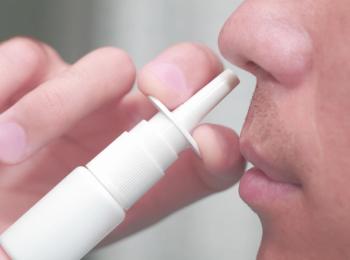
In the Phase 2a INFORM-MS trial, Tiziana’s nasal foralumab reduced microglial activation on PET imaging at 50 µg in non-active secondary progressive MS, while the 100-µg dose showed no significant effect.
The deal adds five US sites and about 1,100 employees, more than doubling Lonza’s US network and filling a gap in US bioconjugation capacity the company flagged weeks earlier.
The deal gives Fresenius options on biosimilars spanning monoclonal and bispecific antibodies, ADCs, and fusion proteins, starting with polatuzumab vedotin and teprotumumab, and could expand its portfolio from 29 to 66 molecules.