News|Articles|April 21, 2026

AstraZeneca’s IL-33 Biologic Shows Consistent Phase III Benefits in COPD

Listen
0:00 / 0:00

Key Takeaways

  • MIRANDA randomized 1,454 symptomatic COPD patients with persistent exacerbations despite inhaled standard-of-care to tozorakimab 300 mg Q2W versus placebo for 52 weeks.
  • Primary endpoint success in former smokers was accompanied by exacerbation-rate reductions in the overall population, suggesting activity independent of smoking status, eosinophils, and baseline airflow limitation.
SHOW MORE

AstraZeneca reported that its IL-33-targeting biologic tozorakimab significantly reduced exacerbations in Phase III trials of chronic obstructive pulmonary disease, reinforcing its potential as a first-in-class treatment. The results add to growing evidence that the therapy could address persistent unmet needs in COPD patients who continue to experience exacerbations despite standard care.

AstraZeneca has reported a third set of positive Phase III results for its investigational biologic tozorakimab,1 reinforcing its potential as a first-in-class treatment for chronic obstructive pulmonary disease (COPD).

High-level data from the pivotal MIRANDA trial2 demonstrated a statistically significant and clinically meaningful reduction in the annualized rate of moderate-to-severe COPD exacerbations. The benefit was observed both in the primary population of former smokers and in the broader study population, which included current smokers and patients across all eosinophil levels and lung function severities.

These findings build on earlier positive results from the OBERON and TITANIA Phase III trials, which evaluated a different dosing schedule.

What did the MIRANDA trial show?

MIRANDA is a randomized, double-blind, placebo-controlled Phase III study evaluating tozorakimab in patients with symptomatic COPD who continued to experience exacerbations despite standard inhaled therapy.

Participants received 300 mg of tozorakimab or placebo every two weeks, in addition to standard of care, over a 52-week period. The trial enrolled 1,454 patients, including both former and current smokers.

The primary endpoint of annualized exacerbation rate in former smokers was met, with additional reductions observed in the overall study population.

Why are these results important for COPD treatment?

COPD remains a major global health burden, affecting nearly 400 million people and ranking as the third leading cause of death worldwide. Even with current inhaled therapies, more than half of patients continue to experience exacerbations, which can lead to hospitalization, accelerated disease progression, and increased mortality risk.

According to Frank Sciurba,3 chief investigator of the LUNA program, the results add to growing evidence that tozorakimab may address a significant unmet need.


“Up to half of patients today still experience exacerbations even when taking standard-of-care inhaled therapies, putting them at risk of serious health consequences,” Sciurba said in a press release.

How does tozorakimab work?

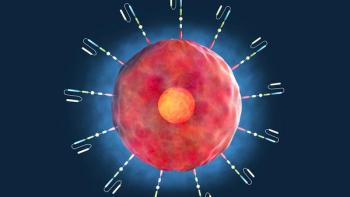
Tozorakimab targets interleukin (IL)-33, a cytokine involved in inflammatory signaling. Unlike other approaches, it inhibits both the reduced and oxidized forms of IL-33, acting at the top of the inflammatory cascade.

This dual mechanism may help reduce airway inflammation while also disrupting mucus dysfunction—two key drivers of COPD progression.

How safe is the therapy?

Across the MIRANDA trial, tozorakimab was generally well tolerated, with a safety profile consistent with previous studies. No new safety concerns were identified.

How does MIRANDA fit into the broader clinical program?

MIRANDA is part of the broader Phase III LUNA development program, which includes four trials:

  • OBERON and TITANIA (52-week studies with four-week dosing)
  • MIRANDA (52-week study with two-week dosing)
  • PROSPERO (long-term extension study focusing on severe exacerbations over 104 weeks)

Together, these trials evaluate efficacy across dosing regimens and patient populations.

What are the next steps?

AstraZeneca plans to present detailed results at an upcoming medical meeting and submit the data to regulatory authorities, including the FDA.

The company is also exploring tozorakimab in other indications, including a Phase III trial for severe viral lower respiratory tract disease and a Phase II trial in asthma.

Could this become a first-in-class biologic?

According to Sharon Barr, executive vice president of BioPharmaceuticals R&D at AstraZeneca, the therapy’s differentiated mechanism may set it apart.

“These data further demonstrate tozorakimab’s exciting potential as a first-in-class biologic… addressing underlying drivers of COPD,” Barr said in the press release.

If approved, tozorakimab could represent a new class of biologics targeting upstream inflammation in COPD, an area where treatment innovation has been limited despite persistent unmet need.

References

  1. Reid, F; Singh, D.; Albayaty, M; et al. (2024 Jan 24). A Randomized Phase I Study of the Anti-Interleukin-33 Antibody Tozorakimab in Healthy Adults and Patients With Chronic Obstructive Pulmonary Disease. National Library of Medicine. Pubmed.https://pubmed.ncbi.nlm.nih.gov/38115209/
  2. NHS Health Resesarch Authority. Miranda. https://www.hra.nhs.uk/planning-and-improving-research/application-summaries/research-summaries/miranda/
  3. Sciurba, F. (2026 Apr. 17). Reducing COPD Exacerbations With Tozorakimab, With Frank Sciurba, MD. HCPLive. https://www.hcplive.com/view/reducing-copd-exacerbations-tozorakimab-sciurba