



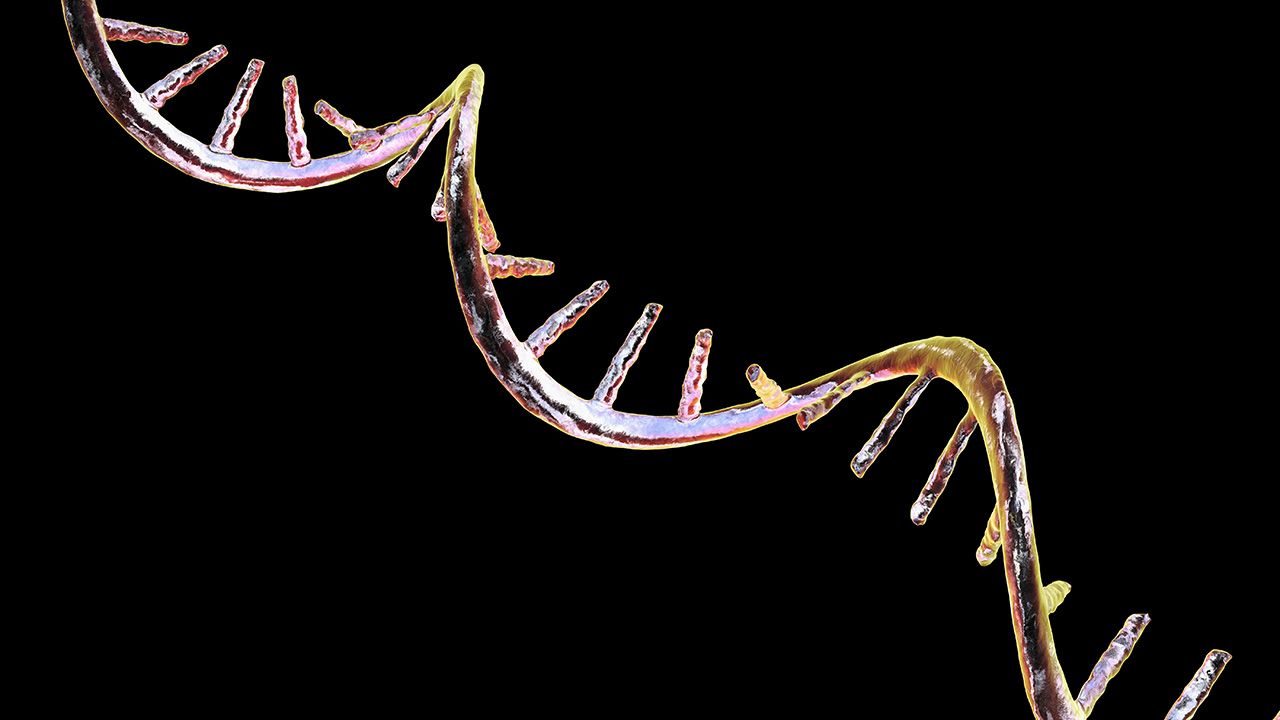

Novo Nordisk intends to apply advanced AI to analyze complex data, improve target identification, and accelerate development of therapies for chronic diseases

Novo Nordisk intends to apply advanced AI to analyze complex data, improve target identification, and accelerate development of therapies for chronic diseases

In the collaboration, Regeneron and Telix will combine antibodies with targeted radiation to improve tumor selectivity as they aim to enable more precise treatment and response monitoring in oncology.

Through collaboration, Imagene AI and Daiichi Sankyo will apply multimodal AI to improve biomarker discovery with the goals of advancing precision oncology and enhancing clinical trial success rates.
The acquisition aims to advance next-gen ADCs that target NaPi2b and 5T4 and that show early clinical activity in solid tumors, which highlight advances in precision payload delivery and durability.

For World Health Day 2026, we examine how today’s global partnerships are increasingly aimed at translating research into real-world care and scalable therapies while expanding access worldwide and utilizing AI-driven oncology tools.

In a new collaboration, Tempus and Daiichi Sankyo will apply AI-driven biomarker discovery to improve ADC patient selection with the aim of advancing precision strategies in competitive oncology pipelines.

With the license, Sanofi gains Kali Therapeutics’ tri-specific T-cell engager pipeline candidate, KT501, which targets B cell-mediated autoimmune diseases.
The company is targeting the $3 billion pancreatic cancer market with its lead proenzyme therapy candidate, PRP, which is supported by strong preclinical tumor inhibition data and for which a PK assay will be developed and validated.

Under the partnership, INOVIO and Akeso will evaluate DNA-encoded tumor antigen priming plus PD-1/CTLA-4 bispecific blockade in an adaptive Phase II trial for glioblastoma.

Persistent medicines shortages across the EU reflect structural supply chain vulnerabilities, fragmented national regulations, and concentrated API sourcing, increasing regulatory risk and financial exposure for marketing authorization holders while directly impacting patient access and continuity of care.

Under the collaboration, Merck and Mayo Clinic will integrate multimodal clinical and genomic datasets with AI models to enhance target biology insights and translational decision-making.

Pharma organizations that approach automation as both a technical and an inventory readiness challenge are best positioned to realize lasting operational benefits.

Integrated CDMO networks streamline complex drug development across advanced modalities like ADCs.

The Eisai–Henlius partnership expands Japan’s access to a differentiated PD-1 antibody, highlighting cross-border oncology deals targeting high unmet need.

A new Cellares–Stanford collaboration aims to demonstrate how automated platforms could standardize gene-edited stem cell manufacturing and accelerate clinical translation.
The SK bioscience–Gates MRI agreement highlights how scalable mAbs could broaden infant RSV prevention beyond high-income markets.

AdvanCell and 48Hour Discovery align peptide discovery with a Lead-212 infrastructure to build a durable targeted alpha therapy pipeline aimed at oncology markets.

This new licensing deal with SanegeneBio signals growing confidence in RNAi technologies.
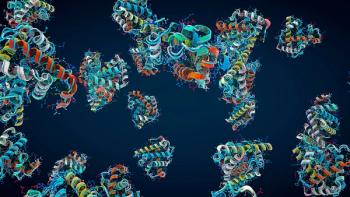
Integrated biotech–CDMO partnerships are becoming critical as fusion protein complexity pushes developers to align discovery and manufacturing earlier.

GSK’s purchase of RAPT underscores growing biopharma focus on durable biologics designed to reduce dosing burden in food allergy and immunology care.

In a new team-up, MD Anderson and SOPHiA GENETICS will apply advanced analytics to cancer testing to improve complex data interpretation for clinical use.
Autolomous and Trenchant’s partnership, begun early in 2025, addresses unmet CGT manufacturing needs, including slashing costs and cutting timelines.

Samsung Biologics’ Maryland acquisition signals a major push into US biologics manufacturing, reshaping the company’s capacity strategy and supply chain resilience.

Norgine has gained regional rights to Vir Biotechnology’s hepatitis delta drug pairing, strengthening late-stage antiviral development across Europe, Australia, and New Zealand.

Fondazione and Orphan Therapeutics outline a US access model for Waskyra, highlighting new approaches to manufacturing, distribution, and sustainability.