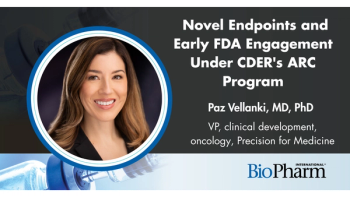
Former FDA oncology reviewer Paz Vellanki, MD, PhD, of Precision for Medicine, discusses how CDER's ARC program supports novel end points such as ctDNA for rare diseases and why sponsors should engage FDA early.
New clinical data highlight improved disease control, reduced eye bulging, and weight-loss benefits, potentially broadening options for patients with unmet needs.
Antisense oligonucleotides are reshaping drug design, from RNase H gapmers to inhaled delivery; this FAQ explains how they work and why trials still fail.
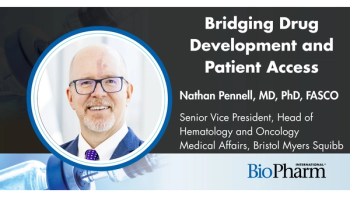
Bristol Myers Squibb's Nathan Pennell explains how the MRD endpoint supports accelerated approval in multiple myeloma without changing how clinicians monitor patients.
New clinical milestones, manufacturing investments, and regulatory incentives could help developers overcome barriers to delivering treatments for patients with rare diseases.
New regulatory decisions, manufacturing partnerships, and financing pressures are reshaping access, supply, and development pathways for emerging advanced therapies.
New data and partnerships are advancing brain-penetrant enzyme therapy, targeted antibodies, flexible obesity dosing, and frontline lymphoma treatment strategies.