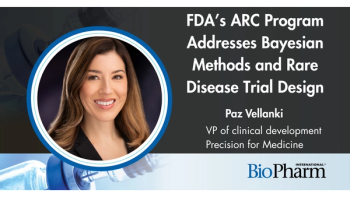
Dr. Paz Vellanki discusses Bayesian methods, challenges in developing rare disease endpoints, and why sponsors should engage FDA early in clinical development.
The FDA launches a new rare disease development initiative, BioNTech’s BNT113 misses a progression-free survival endpoint, and Viking Therapeutics begins Phase III trials of its oral obesity candidate.
As ArsenalBio, TScan, Bristol Myers Squibb, and others abandon ex vivo programs for in vivo engineering, early clinical data and platform differences point to both the promise and the unresolved safety, manufacturing, and regulatory questions of generating CAR-T cells inside the body.
Viking Therapeutics has started two Phase 3 trials of once-daily oral VK2735, a dual GLP-1/GIP receptor agonist, in adults with obesity, with and without type 2 diabetes.
The FDA has accepted Pierre Fabre Pharmaceuticals’ resubmitted BLA for tabelecleucel, an allogeneic T-cell immunotherapy for EBV+ post-transplant lymphoproliferative disease. The FDA’s target action date is March 31, 2027.
FDA reviews a proposed Keytruda biosimilar, Roche expands its obesity pipeline with an RNAi deal, and guselkumab shows promise for fistula remission in Crohn disease.
FDA has accepted for review the biologics license application for FYB206, a proposed pembrolizumab biosimilar developed without a comparative phase 3 efficacy trial. A decision could come in the third quarter of 2027.
In an eight-week obese non-human primate study, lean mass made up 6% of the weight lost with iBio’s Activin E antibody IBIO-610 plus semaglutide, compared with 22% with semaglutide alone. iBio plans to begin first-in-human studies in the first half of 2027.