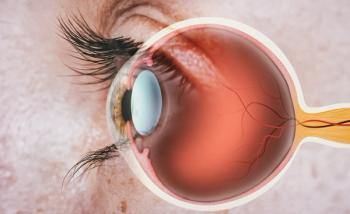
Revakinagene taroretcel (Encelto), the only FDA-approved MacTel therapy, slowed photoreceptor loss by up to 54.8% vs sham in phase 3 trials.
Results of a Phase II clinical trial reveal that stem-cell transplantation treatment following complete immune system destruction increases the duration of long-term remission in patients with multiple sclerosis.
Previous attempts to treat multiple sclerosis (MS), an autoimmune disease characterized by the breakdown of the myelin sheath on axons and axonal degeneration in the central nervous system, have included a regimen of autologous hematopoietic stem-cell transplantation (aHSCT) following chemotherapy. The prevailing thought behind this treatment was to try to re-program the immune system so that it would stop attacking itself. Although this type of treatment has been marked by some successes, many patients experience disease reactivation shortly after treatment.
Harold L. Atkins, MD, and Mark S. Freedman, MD, of The Ottawa Hospital and the University of Ottawa, and colleagues hypothesized
Twenty-four multiple sclerosis patients who had previously failed on immunosuppressives served as trial participants. All participants were given a strong chemotherapy cocktail of busulfan, cyclophosphamide, and rabbit anti-thymocyte globulin, followed by immune-cell depleted aHSCT. The study differed from others focused on aHSCT in that a high dose of chemotherapy was administered, and autoreactive immune stem cells were eliminated by “immunomagnetic selection” to ensure that no contaminating remnants of autoimmunity remained from the host’s blood. As the study authors wrote, “Graft selection has not been incorporated into most autologous haemopoietic stem-cell transplantation regimens for multiple sclerosis because of cost, regulatory complexities, and potentially delayed immune reconstitution.” The trial did not have a control arm, which is a limitation-but it has one of the longest prospective follow-up periods to date, according to a
Approximately 70% of patients experienced activity-free survival three years after treatment. These patients had no relapses or new brain lesions during this period, and had stable Expanded Disability Status Scale (EDSS) scores. “There was one new lesion seen on only one of the first MRIs after the transplant," says Dr. Atkins, but he adds, “that lesion might have occurred prior to the transplant, as the last pre-transplant MRI used for comparison was not right at the time of transplant." The patients had an average of 1.2 relapses per year prior to treatment, and 23 patients suffered no relapses during the trial follow-up period (between 4ÂÂÂâ13 years). Eight of the patients (35%) showed sustained improvement in disability 7.5 years after treatment, as measured by their EDSS scores. Importantly, no disease-modifying drugs were used during the study period to help control inflammatory activity, according to study authors. In addition, study authors pointed out that the reduction in brain atrophy in their cohort approached the rate that is characteristic of normal aging.
Despite the promising results of treatment, one patient died from hepatic necrosis and sepsis as a result of transplantation-related complications. Other adverse events after transplantation included fevers (all patients experienced this), urinary tract infections, sinusoid obstruction syndrome, viral infections, plantar warts (9%), shingles (26%), herpesvirus-6 pneumonia (4%), thrombocytopenia (4%), secondary autoimmune events such as hypo- and hyperthyroidism (26%), and other febrile events (67%). A
Although The Lancet findings may not change the current approaches to treat MS in the short term, wrote Dörr, “there may be support for considering aHSCT less as a rescue therapy and more as a general treatment option, provided the different protocols are harmonized and optimized, the tolerability and safety profile can be further improved, and prognostic markers become available to identify patients at risk of poor prognosis in whom a potentially more hazardous treatment might be justified.” Dörr added, “This trial is the first to show complete suppression of any inflammatory disease activity in every patient for a long period.”
Immunoablation to destroy the autoreactive immune system followed with transplantation by aHSCT also has implications for the treatment of other autoimmune diseases. Dr. Atkins has previously published encouraging results using the same procedure for the treatment of
Sources: The Lancet, The Ottawa Hospital