News|Articles|April 2, 2026

Why Does the Future of Genetic Medicines Rely on LNP Targeting Strategies? Read What Experts Have to Say

Key Takeaways

  • ApoE-mediated protein corona formation largely explains hepatic tropism, making liver delivery efficient but extrahepatic targeting a central constraint for systemic RNA medicines.
  • Passive targeting can be achieved by small compositional shifts, including “fifth-lipid” SORT approaches that reroute expression to spleen or lung, but demands tight ratio and process control.
SHOW MORE

Experts from Acuitas, Mana.bio, NanoVation, and ReCode share their input on targeted LNP engineering, which is accelerating pipeline expansion of nucleic acid therapies for chronic and rare diseases beyond the liver.

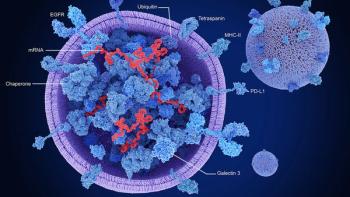
The success of lipid nanoparticle (LNP)-based vaccines has established LNPs as the foundational delivery vehicle for nucleic acid therapeutics. Today, the major effort being seen in the nanomedicine space is the targeting of specific tissues/organs. This shift is essential for expanding genetic medicines beyond vaccine applications and into chronic diseases, tumors, and rare metabolic disorders.1,2
This targeting approach addresses the core challenge of how systemic LNPs naturally distribute to the liver and spleen. In circulation, LNP surfaces rapidly absorb apolipoprotein E (ApoE).ApoE acts as a “tag” that directs the particles to hepatocytes, where they are efficiently “taken up.” Jessica Couch, PhD, chief scientific officer, and Vladimir Kharitonov, PhD, senior vice president of Pharmaceutical Sciences, both at ReCode Therapeutics, explain that this tropism is convenient only if the liver is the target, but it is “a major liability if your aim is to target any other organ or system.”

Achieving precision delivery, particularly to organs outside the liver, such as the bone marrow, immune compartments, lungs, brain, or mucosal surfaces, is a therapeutic necessity. By preferentially directing payloads into disease-relevant cells and tissues, developers can increase efficacy at lower doses, widen the therapeutic index, and limit off-target exposure.3 “Specific delivery matters because most diseases originate from specific cells, tissues, or organs, yet conventional LNPs accumulate in the liver,” says Dominik Witzigmann, PhD, co-founder and president of NanoVation Therapeutics. “If a drug such as RNA cannot reach its intended target in sufficient concentrations, the therapeutic potential is fundamentally constrained.”

High systemic doses can drive inflammatory signaling, complement activation, and dose-limiting toxicity. To overcome the body's innate defenses and redirect LNP cargo away from the liver, scientists are actively programming the LNP vehicle. This specificity is crucial for chronic conditions that require safe, repeat administration. Such LNP engineering is achieved either by optimizing the particle’s physicochemical fingerprints (passive targeting) or by adding specific surface binders (active targeting).4

How are LNP characteristics engineered to achieve organ-specific targeting?

An important component of both “passive” and “active” LNP targeting approaches relies on modifications to the LNP composition itself to increase circulation lifetimes, reduce liver uptake, and prolong exposure to target cells, according to Ying Tam, PhD, chief scientific officer, and Sean Semple, vice president Preclinical Research, both at Acuitas Therapeutics. The “rational design” approach to achieve this extended circulation requires deep understanding of the role of each component, such as ionizable lipids for encapsulation and intracellular delivery; structural lipids (like cholesterol) for stability; and PEGylated lipids (steric barrier lipids) to control size and reduce plasma protein interactions, they explain.

To overcome the body's innate defenses and redirect LNP cargo away from the liver, scientists are actively programming the LNP vehicle. This specificity is crucial for chronic conditions that require safe, repeat administration. Such LNP engineering is achieved either by optimizing the particle’s physicochemical fingerprints (passive targeting) or by adding specific surface binders (active targeting).

LNP programming relies on engineering factors like surface charge, size, polyethylene glycol (PEG) density, and lipid composition, which dictate how the particle interacts with blood proteins and endothelial barriers.5

Passive targeting and compositional engineering

An example of passive targeting is Selective Organ Targeting (SORT, ReCode Therapeutics) invented by Daniel J. Siegwart, PhD, co-founder of ReCode. Dr. Siegwart discovered that introduction of a fifth lipid alters surface characteristics of the LNP and enables in vivo delivery of nucleic acid cargos to organs other than liver.

Dr. Couch and Dr. Kharitonov say that “A fractional change in concentration of a specific SORT lipid can reroute expression from liver to spleen, or to the lungs- as demonstrated in small animal models, simply by changing how the particle interacts with blood proteins and endothelial barriers.” Making lipid nanoparticles with consistent product characteristics at scale demands stringent controls because even minor shifts in lipid ratios or mixing conditions can alter organ tropism, they explain.

Dr. Witzigmann notes that NanoVation focuses on engineering long-circulating LNPs (lcLNPs). Rather than relying on targeting ligands or persistent PEG lipids, the company rationally optimizes the lipid composition and morphology of lcLNPs using clinically validated helper lipids. As he explains, these lcLNPs are specifically designed to “circulate longer in blood and escape the liver filter,” which increases exposure to targets like T cells or stem cells.

Active targeting via ligand conjugation

“Active targeting” involves the site-specific attachment of targeting ligands, such asantibodies or antibody mimetics, to the LNP surface, which then mediate recognition, binding and uptake into specific target cells, says Dr. Tam and Semple. They explain that Acuitas has advanced this approach using designed ankyrin repeat protein (DARPin)-conjugated LNPs. DARPins are small engineered proteins that are precisely attached to the LNP to provide significant binding affinity. These characteristics ensure proper orientation so that the binding region is available for target recognition while having high and reproducible conjugation efficiency and minimal impact on LNP stability, they state.

According to Semple and Dr. Tam, their strategy has successfully demonstrated targeted messenger RNA (mRNA) delivery to immune cells, achieving up to approximately 90% expression in human CD8⁺ T cells. “This research highlights the potential of targeted LNP for in-vivo CAR T [chimeric antigen receptor T cell] applications, which involves engineering a patient's own immune cells inside their body to fight important diseases such as cancer and autoimmune disease,” they explain.

Why is AI/ML critical for accelerating LNP discovery and manufacturability?

Rational design has formed the basis of understanding how each compositional element of the LNP contributes to functional delivery. However, understanding the contribution of the entire potential chemical search space is impossible due to the near infinite permutations of lipid structures, identities, compositional ratios, and formulation parameters, emphasizes Yogev Debbi, co-founder and CEO of Mana.bio. This challenge is further compounded when considering the diverse array of nucleic acid cargo that can be delivered via LNP.

“It’s not as simple as just biodistribution and then swapping out your cargo modality of choice.We are only just beginning to understand the features of lipids and LNP that would unlock true programmable LNP delivery,” Debbi states. “To move beyond the limitations of rational design and the human brain, Mana.bio is pioneering the use of machine learning (ML) models to predict properties of LNP.”

Debbi notes that the company’s AI/ML platform has a memory that is “infinite and lossless,” for example, and is able to analyze significant volumes of data to predict critical LNP properties, such as physicochemical stability, safety, and tissue tropism. “At Mana, we leverage a closed loop of lab data generation + AI to intentionally generate high-quality training data rather than just validating promising leads. The platform effectively remembers every data point from experiment run in the lab, papers that we read, patents that we digest, etc., and we are able to draw on this institutional knowledge with every subsequent experiment that we run,” he explains.

This analytical prowess is vital for the biopharmaceutical industry as it significantly accelerates the LNP discovery and optimization process, enabling the rapid identification of features responsible for tissue tropism. AI/ML platforms can predictively model and optimize features related to manufacturability and scaling, ensuring next-generation LNPs are not only effective but consistently reproducible.6

Expanding access with non-parenteral routes of administration

While systemic administration remains important, alternative, non-parenteral routes, such as delivery through the nose, lungs, or eyes, allow for highly localized and targeted therapies that address disease directly at the source, entirely bypassing hepatic clearance. These routes open new therapeutic possibilities and promise less invasive administration. 4,7

“Imagine an RNA therapy for asthma or cystic fibrosis delivered via inhalation, or an mRNA-based treatment for macular degeneration applied locally to the eye - no needles, no IV [intravenous] drips,” says Dr. Witzigmann. “These routes are not only more convenient; they allow high local concentrations at the disease site while minimizing systemic exposure.” Whether systemic or local, the core principle remains the same: delivery systems must be engineered to match the biological barrier they need to overcome.

For example, ReCode Therapeutics has programs in development utilizing inhaled LNPs for genetic lung diseases, including cystic fibrosis. “By nebulizing the formulation aerosol droplets deliver lipid nanoparticles directly on airway epithelial cells, the very site of disease, bypassing hepatic clearance entirely,” Dr. Couch and Dr. Kharitonov explain.

However, developing LNPs for non-parenteral routes introduces specific challenges for LNP engineering, requiring systems capable of penetrating physical barriers like mucosal membranes, the thick mucosal barrier in cystic fibrosis patients, or the specialized anatomical defenses of the eye.8

How are LNPs positioned for future biopharma development?

LNPs have transitioned from being simple carriers to a universal, modular platform that is enabling the next generation of genetic medicines, including small interfering RNA, mRNA, and gene editors. The goal of precision targeting fundamentally positions LNPs as the delivery “backbone” of future biopharmaceuticals.4

“The LNP platform’s strength lies in its modularity and tunability,” emphasize Dr. Couch and Dr. Kharitonov, who point out that a formulation framework can be adapted for new diseases simply by adjusting the route of administration or swapping out a single lipid. “The analogy is that essentially the same ‘vehicle’ can be used, but minor changes in lipids may allow differential targeting for each intended therapeutic application,” they explain. This platform logic would allow biopharma companies to develop therapies faster by plugging different RNA payloads into a proven delivery vehicle.

LNPs offer critical advantages over viral vectors, including a lower immunogenicity profile. These advantages enable safer repeat administration and the potential of “dosing-to-effect,” in which treatments such as gene editing therapies could be continued until the desired outcome is achieved, say Dr. Tam and Semple. They emphasize that when these features—low immunogenicity, rapid manufacturability, and modularity—are combined, they “underscore why LNPs are dubbed the delivery backbone of future therapies.”

They add that targeted LNPs enable revolutionary strategies like in-vivo CAR T applications and precision delivery for genetic diseases via genome editing, which can prevent off-target effects and toxicity while improving therapeutic effects and durability.

What are the key hurdles and key innovations to keep track of

To deliver on the promise of highly customized, next-generation LNPs, researchers must simultaneously solve technical and biological challenges related to effectiveness, stability, and safety. Technical and manufacturing innovations are needed to ensure next-generation LNP systems are scalable and safe.4,7 Such innovations are discussed below.

Endosomal escape efficiency

According to Dr. Witzigmann, endosomal escape efficiency remains a critical, yet often inefficient, step. Once internalized by the target cell, the LNP must break out of the endosome to release its RNA payload into the cytosol. If the LNP fails to escape efficiently, the therapy fails. Rational design of ionizable lipids to enhance endosomal escape while avoiding innate immune activation or cellular toxicity is essential for developing more potent as well as safer delivery vehicles.

Stability and manufacturability at scale

RNA is fragile, requiring the LNP to protect the cargo throughout storage, transport, and circulation. “Significant innovation is focused on developing dry powder forms to allow storage in standard freezers, refrigerator or at room temperature, moving beyond the challenging -80 °C requirements of early LNP vaccines,” say Dr. Couch and Dr. Kharitonov. Manufacturing scale-up also demands highly sophisticated engineering. Specifically, the process requires equipment like pumps that are “pulse-free and with highly controlled flow rates,” they add.

Dr. Lagadinos notes that, for these sophisticated formulations, “The human brain has limitations on the amount of information that can be retained from the public domain or the lab.” Therefore, he explains, AI/ML models are increasingly needed to accurately retain data and predict properties, such as manufacturability, ensuring consistent quality, and reproducibility at commercial scale.

Managing biological interactions and immunogenicity

Dr. Couch and Dr. Kharitonov confirm that “LNPs must navigate complex physical barriers, including thick mucus layer in the lungs of CF patients.” These barriers can strip away the LNP’s targeting precision and cause inflammatory responses. Meanwhile, Dr. Witzigmann stresses minimizing immune activation is particularly critical for chronic diseases requiring repeat dosing.

“Persistent PEG lipids and surface ligands can introduce additional immunogenicity risks, which may limit repeat dosing feasibility,” Dr. Witzigmann says. “Designing systems that achieve extended circulation without these elements may simplify long-term treatment strategies.”

By addressing these core hurdles, from endosomal mechanics to manufacturing precision, the industry is transforming LNPs from a generalized tool into a programmable platform, with the goal of bringing safe and targeted patient-specific genetic medicines within reach.4

References

  1. Huang J, Yuen D, Mintern JD, Johnston APR. Opportunities for innovation: Building on the success of lipid nanoparticle vaccines. Curr. Opin. Colloid Interface Sci. 2021;55:101468. doi: 10.1016/j.cocis.2021.101468
  2. Mukai H, Ogawa K, Kato N, Kawakami S. Recent advances in lipid nanoparticles for delivery of nucleic acid, mRNA, and gene editing-based therapeutics. Drug Metab. Pharmacokinet. 2022;44:100450. doi: 10.1016/j.dmpk.2022.100450
  3. Mitchell MJ, Billingsley MM, Haley RM, et al. Engineering precision nanoparticles for drug delivery. Nat. Rev. Drug Discovery 2021;20(2):101-124. doi:10.1038/s41573-020-0090-8
  4. Saber N, Senti ME, Schiffelers RM. Lipid Nanoparticles for Nucleic Acid Delivery Beyond the Liver. Hum. Gene Ther. 2024;35(17-18):617-627. doi:10.1089/hum.2024.106
  5. Lin Y, Cheng Q, Wei T. Surface engineering of lipid nanoparticles: targeted nucleic acid delivery and beyond. Biophys. Rep. 2023;9(5):255-278. doi: 10.52601/bpr.2023.230022
  6. Dorsey PJ, Lau CL, Chang TC, et al. Review of machine learning for lipid nanoparticle formulation and process development. J. Pharm. Sci. 2024;113(12):3413-3433. doi: 10.1016/j.xphs.2024.09.015
  7. Hosseini-Kharat M, Bremmell KE, Prestidge CA. Why do lipid nanoparticles target the liver? Understanding of biodistribution and liver-specific tropism. Mol. Ther.—Methods Clin. Dev. 2025;33(1):101436. doi: 10.1016/j.omtm.2025.101436
  8. Kim Y, Park J, Choi J, et al. Physiological Barriers to Nucleic Acid Therapeutics and Engineering Strategies for Lipid Nanoparticle Design, Optimization, and Clinical Translation. Pharmaceutics. 2025;17(10):1309. doi: 10.3390/pharmaceutics17101309