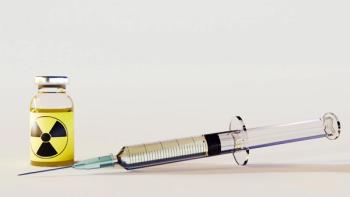
Phase 3 interim data for RYZ101, the lead asset from Bristol Myers Squibb’s $4.1 billion RayzeBio deal, meet the primary endpoint.
Host cell proteins (HCPs) are process-related impurities within biopharmaceutical samples that could potentially impact drug stability/efficacy or elicit a harmful immune response. HCP levels are typically measured through enzyme-linked immunosorbent assay (ELISA), which is useful for purification process development, in-process sample testing, lot release testing, and quality control. While ELISA is highly sensitive, it does not discern the identity of HCPs contributing to its immunological signal. Analytical methods like Liquid Chromatography coupled to Mass Spectrometry (LC-MS) can be used to identify and quantify individual HCPs. To overcome the massive dynamic range of drug substance (DS) samples, native digestion is performed to preferentially digest HCPs relative to the monoclonal antibody or therapeutic proteins1. For subsequent HCP quantification, three major strategies have been reported: relative to the drug product, relative to spiked-in proteins, and relative to spiked-in peptides. Here, we describe the development and qualification of a relative quantification strategy called inSPECtTM using native digestion, high-resolution mass spectrometry, and quantification relative to spiked-in protein standards.
Global LC-MS Analysis by inSPECt MS
Global HCP profiling attempts to simultaneously measure the approximate abundance of dozens to thousands of HCPs by comparing their signal to that of spiked-in protein standards at known concentration(s). The Cygnus Protein Standard (CPS) was spiked into the NIST mAb reference standard (Agilent; PN: 5191-5744). Proteolytic digestion was performed without protein solubilization or cysteine reduction/alkylation to enrich HCPs. The resulting peptides were separated on a 50cm C18 column on a Vanquish Neo UHPLC coupled to an Obritrap Eclipse Mass Spectrometer (ThermoFisher Scientific) for Data-Independent Analysis followed by data analysis using the CHIMERYS search algorithm (MSAID) implemented in ProteomeDiscoverer v3.3 (ThermoFisher Scientific).
There was a strong, linear relationship between the concentration of individual CPS proteins and their measured abundance. Analytical precision was demonstrated from 10 – 500 parts per million (ppm) with the coefficient of variation (%CV) of all triplicate injections less than 18%. In all four curves, R2 values for individual CPS proteins were greater than 0.95. The linear relationship was used to calculate a median response factor (RF) to estimate concentration in parts per million (ppm) from the measured abundance. The deviation of the estimated concentration and known concentration of CPS determines a linear range of 10 -500 ppm with a limit of detection (LOD) between 0.2 – 8 ppm.
Figure 1. CPS Calibration Curve. The linear relationship was measured between known CPS concentration and measured CPS protein abundance. Each colored point is an individual CPS protein, while the red line is the median used to generate the response factor.
Since NIST mAb is routinely analyzed, we compared the HCPs identified and quantified during method qualification to published results. With only 6 micrograms of protein digest injected, 51 HCPs were identified in all three replicates—29 of which were above the method LOD of 5.3 ppm. In multiple studies, four HCPs dominate the total HCP mass of NIST mAb: Fructose Bisphosphate Aldolase A, Fructose Bisphosphate Aldolase C, Protein disulfide-isomerase A6, and Glucose-6-phosphate isomerase. Beaumal et al. (2023)2 is the most thorough analysis of NIST mAb using four acquisition variants of DIA (data-independent acquisition) and DDA (data-dependent acquisition), and their mean reported levels are highly similar to those obtained here (Table 1). On the low end, 11 HCPs below 1ppm in that study were quantified by inSPECt.
Table 1. Top 4 HCPs in NIST mAb. HCP values from DIA, GPF (Gas Phase Fractionation)-DIA, DDA, and DDA-FAIMS (Field Asymmetric Ion Mobility Spectrometry) were averaged from Beaumal et al. and compared to calculated values in this study.
The HCP concentrations in NIST mAb are biased by the Native Digestion HCP enrichment strategy, and while the similarities in HCP estimates are promising (Table 1), testing the performance of inSPECt for HCPs of a known concentration will determine the accuracy of HCP inSPECt. To this end, we spiked recombinant HCPs into the NIST mAb DS matrix at multiple concentrations. Three HCPs were mildly underestimated in the 100 – 1000 ppm range with acceptable accuracy and precision (Table 2). These three HCPs are known to be problematic when present in the final DS, and knowledge of their approximate concentration would be useful to ensure a safe and effective therapeutic.
Table 2. HCP Spike and Recovery. Potentially problematic HCPs were spiked into the NIST mAb DS and measured using inSPECt. Accuracy (%Error) and Precision (%CV) were calculated at three concentrations.
These results support the utility of inSPECt for highly sensitive quantification of HCPs. The spiked-in protein standards (CPS) display a strong, linear response across a broad linear range spanning at least two orders of magnitude (Figure 1). Detection limits were measured in the sub- or low-ppm concentration depending on the DS matrix. Known HCPs were measured close to their known value both as endogenous HCPs within NIST mAb and as spiked-in HCP standards. InSPECt should be utilized in HCP profiling of downstream bioprocessing samples.
References:
HCP inSPECt MS Quantification Service is now available from Cygnus Technologies.
Contact