argenx and Forte Biosciences have entered a definitive agreement under which argenx will acquire Forte Biosciences for $77 per share in cash, a deal valued at approximately $2.2 billion in total equity value.1 The acquisition adds FB102, Forte's first-in-class anti-CD122 antibody with clinical proof-of-concept in vitiligo and celiac disease, to argenx's immunology pipeline.1
"Our Vision 2030 strategy is well-defined and on track, and our discovery, development and commercialization engines are delivering real value for patients," said Karen Massey, chief executive officer of argenx, in a company press release.1 "The addition of FB102 to our portfolio aligns perfectly with the argenx playbook: compelling biology, strong clinical validation and broad potential to address patient need."
Key facts
- Drug: FB102, first-in-class anti-CD122 antibody
- Deal: argenx to acquire Forte Biosciences, $77/share
- Value: ~$2.2 billion total equity value
- Indications: Vitiligo, celiac disease, alopecia areata potential
- Status: Tender offer pending; close expected Q3 2026
What are the deal terms?
The deal follows a prior strategic investment argenx made in Forte Biosciences and will proceed as a cash tender offer, representing a premium of approximately 86% to Forte's volume-weighted average price since the company reported positive phase 1b vitiligo data on July 9, 2026.1,2 The transaction, funded entirely from cash on hand, is subject to customary closing conditions including majority share tender and Hart-Scott-Rodino antitrust clearance, with completion expected in the third quarter of 2026.1
What clinical data support the acquisition?
In Forte's 43-patient, double-blind, placebo-controlled phase 1b vitiligo trial, FB102 produced a mean 29.6% improvement from baseline in the Facial Vitiligo Area Scoring Index at week 24, compared with 7.9% for placebo (p = .020). In patients with more extensive baseline disease, improvement reached 43.2% versus 0.5% for placebo (p = .006).2 Benefit emerged by day 64, continued after the 12-week treatment period ended, and 84% of FB102-treated patients improved through week 24 with none worsening, compared with 27% of placebo patients who worsened.2
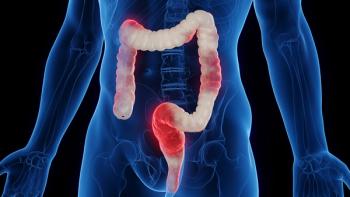
Positive phase 1b data in celiac disease were shared last year, and a phase 2 celiac trial is underway with topline results expected in the second half of 2026.1 Forte has described celiac disease as debilitating for many patients even with trace gluten exposure, underscoring the unmet need the phase 2 trial aims to address.3 Beyond vitiligo and celiac disease, the companies said FB102 has potential in alopecia areata and additional autoimmune diseases, describing it as a possible pipeline-in-a-product opportunity.1