

After a hectic 2020, biopharma looks to deliver on COVID-19 vaccines and move other promising therapies forward.
NGS abbreviates drug discovery timelines.
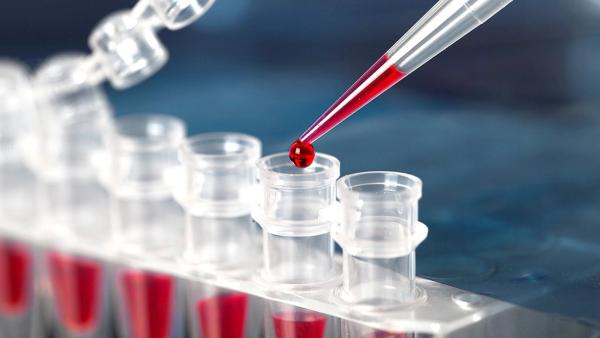
There is a great need for sensitive, precise, and easily accessible analytical detection techniques for protein sequencing.
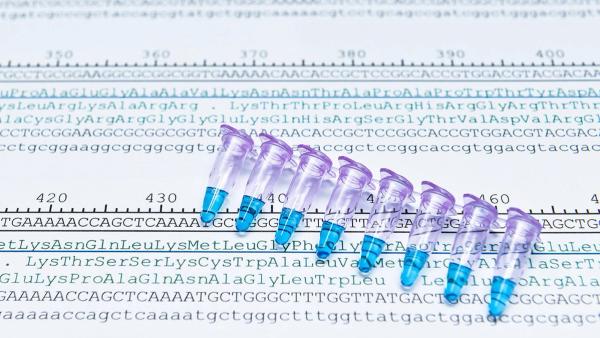
Developing cell-based potency assays for cell therapies requires meticulous coordination.

After a hectic 2020, biopharma looks to deliver on COVID-19 vaccines and move other promising therapies forward.

Essential bio/pharma employees show hard work and dedication can pay off, for patients.
Clear understanding of what exactly the biomolecule entails is essential.

A novel PTA technology captures more than 95% of the genomes of single cells, providing more uniform, accurate, and reproducible single-cell analysis data.
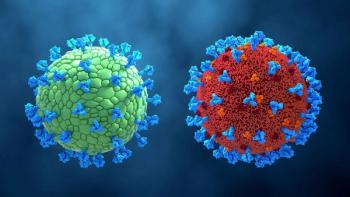
Analytical and functional characterization of virus-like particles enables process reproducibility and product consistency.
Dolomite Microfluidics and MilliporeSigma have begun a collaboration to release off-the-shelf microfluidic device kits for the fabrication of PLGA particles.
The partners have established PathoQuest, Inc., a US subsidiary, and will construct an NGS-based testing lab at Charles River’s Wayne, PA, site.
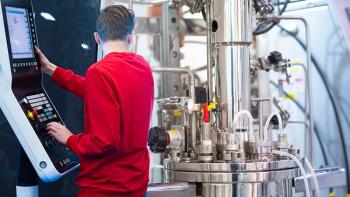
The shift to single-use technologies is driving the need for innovation in PAT-friendly sensor technologies.

Early detection and more sensitive methods of detecting adventitious agents are becoming increasingly critical in bioprocessing.

Analysts should understand how a monograph, together with the associated general notices and general chapters, relate to their responsibilities under good manufacturing practices.
Current and newer biologic modalities pose increasingly complex challenges to the detection and characterization of protein aggregates.
Data from migration kinetics studies can be used to develop models that predict levels of leachables and extractables at different temperatures and time points.
Pall has introduced a 24-well filter plate that can perform cell clarification and sterilization in one step.
The company recently launched its OmniTop Sample Tubes adjustable volume sampling system, a single-use system that allows for exact sampling.
The new filters extend column life and reduce contamination while simplifying sample preparation.
The new chromatography columns provide enhanced separation for high order aggregates and macromolecules.
Advanced data analytics, including statistical modeling and machine learning technique, can enable more efficient and reliable bioprocesses.
Bioanalytical studies are an important aspect of biologic drug development that may necessitate partnering with bioanalysis experts.
The extension of the company’s product offerings to include the anti-certolizumab pegol antibodies offers critical reagents for the development of assays for TNF alpha inhibitor biologics and their biosimilars.
Next-generation therapeutics and regulatory requirements create demand for complex, fit-for-purpose tests.
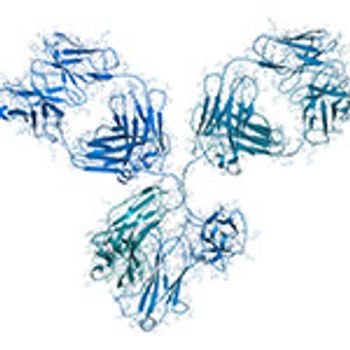
In this peer-reviewed article, the authors present a series of experimental studies showcasing the performance of MMS in secondary-structure biopharma characterization and compare it with conventional FTIR data.
The acquisition will expand Nexelis’ immunology testing expertise.

Ensuring the quality of data in process monitoring and control systems starts in process development phases.
Eurofins DiscoverX partners with VelaLabs to enable VelaLabs to perform highly reproducible potency lot release assays under GLP/GMP conditions.
An evaluation by USP indicates bovine heparin is a potential alternative to porcine heparin.