
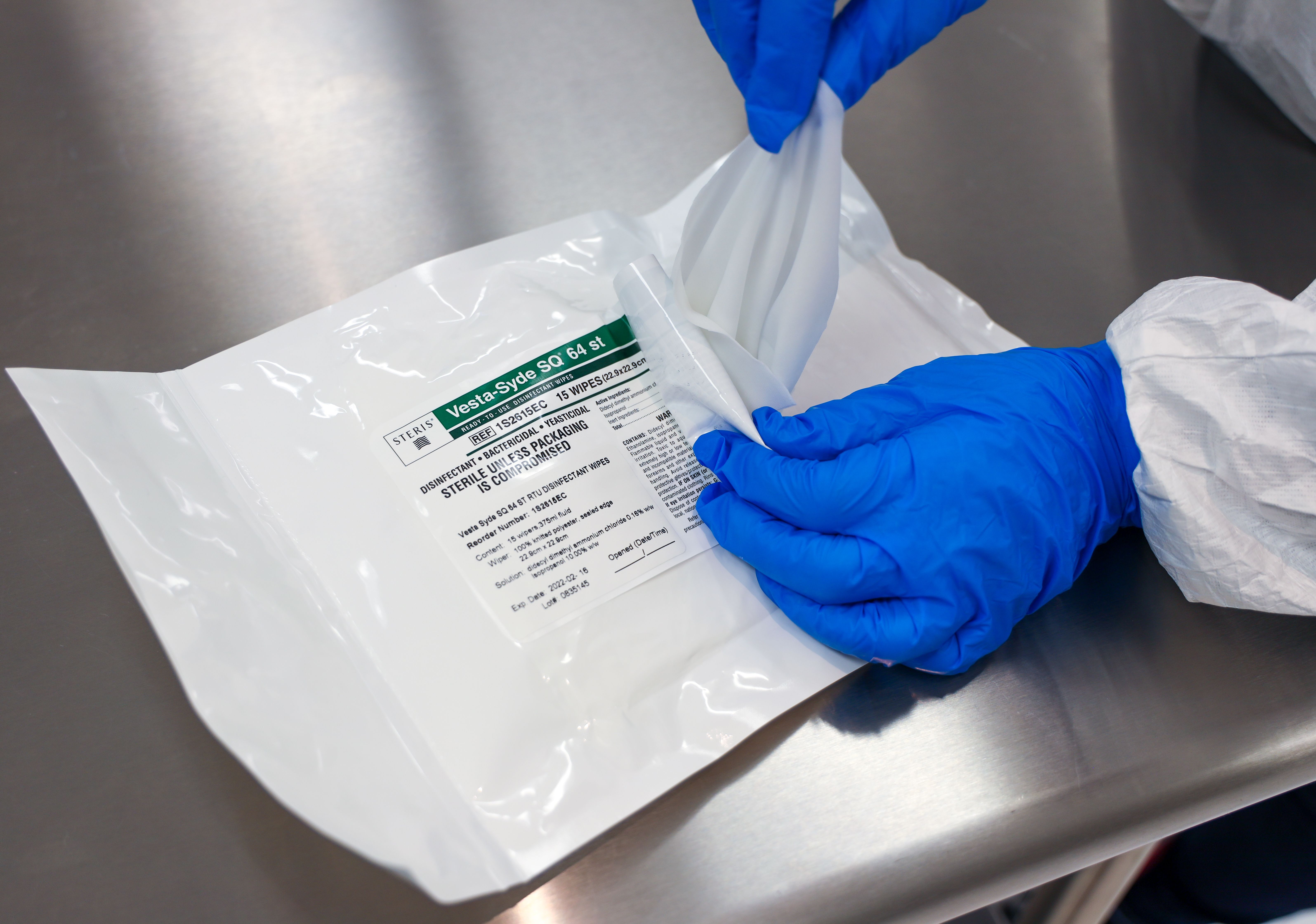

After a previously announced merger, Protagen Protein Services, BioAnalytix, and GeneWerk have formed a new CRO under the name ProtaGene.
NGS abbreviates drug discovery timelines.
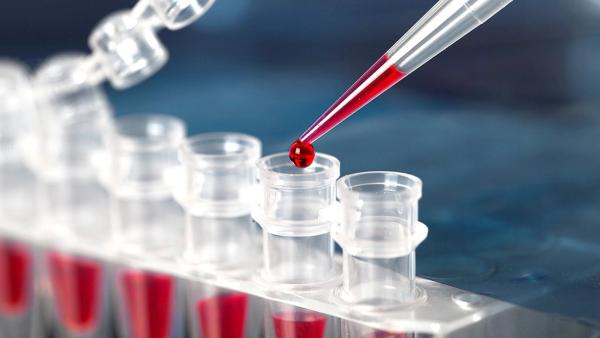
There is a great need for sensitive, precise, and easily accessible analytical detection techniques for protein sequencing.
Developing cell-based potency assays for cell therapies requires meticulous coordination.

After a previously announced merger, Protagen Protein Services, BioAnalytix, and GeneWerk have formed a new CRO under the name ProtaGene.
Fujifilm Diosynth Biotechnologies' 89,000 square-foot expansion of its BioProcess Innovation Center in Research Triangle Park, N.C., will double its capacity to support process characterization.
The COVID-19 pandemic generated partnerships among organizations with the goal of changing the way in which assay development and tech transfer of these assays are conducted moving forward.
The acquisition of Protein Metrics expands Insightful Science’s R&D solutions to include proteomics.

Modeling techniques can improve process control and monitoring in biopharmaceutical production.
Multispecific analysis is complex but can be achieved using appropriate strategies.
Amgen and Syngene International have extended their research collaboration to 2026.
Genezen has opened its new process development and analytical lab for viral vector production.
Bionique Testing Laboratories has been acquired by Asahi Kasei Medical and will join the company’s biosafety testing services unit.
GlaxoSmithKline, together with the University of Oxford, has launched the Oxford-GSK Institute under a new collaboration that aims to study complex diseases to accelerate the success of drug discovery and drug development efforts.
Fully automated enzyme analysis can ease a persistent bottleneck in biocatalyst development for bio/pharmaceutical applications.
The companies will focus on the rapid development of polymerase chain reaction assays for emerging pathogens and potential health threats, including biological threats.
Sartorius is investing €100 million (US$113 million) between 2021 and 2025 to expand capacities for production, innovation, and storage at its French facilities in Aubagne, Cergy, and Lourdes.
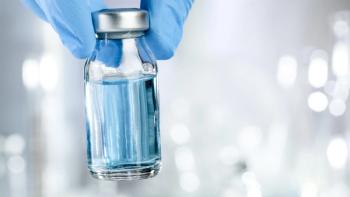
Defining expectations, such as GMPs, is paramount for sourcing the right biopharmaceutical raw materials.
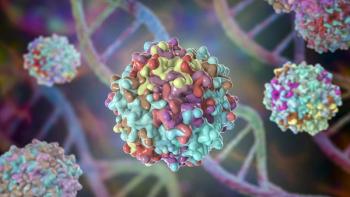
Confounding signals pose challenges to analytical methods necessary for managing residual impurity removal in biotherapeutic manufacturing.
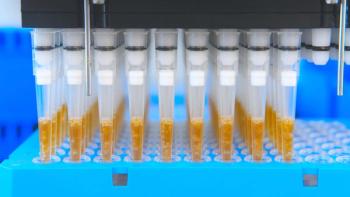
Glycosylation monitoring has been heavily dependent on manual processes, but the automation of sample preparation streamlines the overall workflow.
MilliporeSigma’s new ColorWheel flow cytometry portfolio is designed to create antibodies and dyes analogous to a primary conjugated antibody.
Sartorius’ newly redesigned vacuum filtration units are designed to allow for faster and higher-capacity filtration while offering enhanced stability for sample processing.
Lonza is expanding its microbial development capabilities at its Visp, Switzerland, site to support clinical and commercial drug development programs.
Synthace has raised $35 million in funding to fuel growth of its life sciences R&D technology.
Part 2—Industry experts from MilliporeSigma, Lonza, Astrea Bioseparations, and Sartorius provide insight and examples about solving critical challenges in both analytics and process development for emerging therapies.
Part 1—Industry experts from MilliporeSigma, Lonza, Astrea Bioseparations, and Sartorius discuss key issues affecting the development of emerging biotherapies.
The partnership between Waters and Sartorius aims to accelerate speed and increase accuracy in bioprocessing analysis.
Gentronix has expanded it lab facilities and increased capacity for genetic, ocular, and skin toxicology testing.
Thermo Fisher Scientific showcases its new mass spectrometry and chromatography solutions at the ASMS Conference on Oct. 31–Nov. 4, 2021.