



A key property included in the acquisition is farabursen, an investigational next-generation oligonucleotide targeting the microRNA miR-17 with preferential kidney exposure, intended to treat people with autosomal dominant polycystic kidney disease.
A key property included in the acquisition is farabursen, an investigational next-generation oligonucleotide targeting the microRNA miR-17 with preferential kidney exposure, intended to treat people with autosomal dominant polycystic kidney disease.
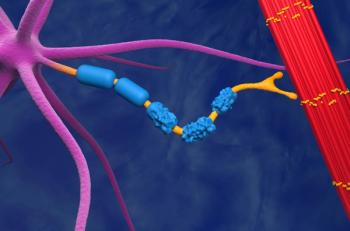
Amyotrophic lateral sclerosis, or Lou Gehrig’s disease, is the most common form of motor neurone disease (MND), with more than 5000 people in the United States being diagnosed with MND annually.
Matthew Stober and Campbell Bunce of Abzena talk about the CDMO’s role in accelerating the path of newer and more effective modalities to market.

The agency has recommended conditional marketing authorization for Zemcelpro (dorocubicel/unexpanded umbilical cord cells) to treat adults with hematological malignancies (blood cell cancers).

The department’s newly announced partnerships were part of a weeklong visit that included discussions held at BIO 2025.
Some of the companies that received American samples, FDA said, are partially owned or controlled by the Communist Party in China.
FUJIFILM representatives talked about the rebrand of the company’s life sciences businesses, partnerships with Regeneron and other companies, and the importance of having a presence at conferences like BIO 2025.
Bartłomiej Czubek, director of Business Development at Mabion, discussed what’s working, and the challenges set forth by what isn’t working, in the relationships built within the present biologics CDMO market.

The Purolite AP+50 affinity chromatography resin has a 50-micron bead size that offers dynamic binding capacity of the AP resin platform while providing durability for monoclonal antibody capture.
Korro Bio CEO and president Ram Aiyar, PhD, delves into his company’s partnership with Novo Nordisk as a means of reaching a larger patient population with new ideas and approaches.

With more than 100 next-generation biologics set to lose patent exclusivity in the next 15 years, there is widespread agreement that developing biosimilars for these therapies will benefit society as a whole.
BioPharm International® spoke with Robert Cornog, senior director, Product Development, at Quotient Sciences about how commercial manufacturing and tech transfer impact biopharmaceuticals at the development stage.
Korro Bio CEO Ram Aiyar discusses his company’s platform that tunes the RNA editing process to target a wider range of rare diseases.

The company’s successful completion of facility and equipment qualifications gives it another biologics manufacturing option alongside its United States campus in Morgan Hill, Calif.
BioPharm International® spoke with William O. Bullock, Senior VP, Economic and Statewide Development, North Carolina Biotechnology Center, about the growing biotechnology industry in North Carolina.
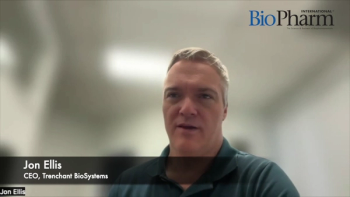
BioPharm International® spoke with Jon Ellis, CEO, Trenchant BioSystems, about the commercial landscape for cell therapies and how digitization is impacting the industry.

The collaboration will focus on identifying pre-clinical candidates for high-priority targets, including a small molecule oral therapy for immunological diseases.
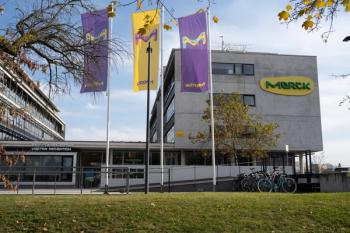
The agreement, which covers a period of five years, has been designed to offer a turnkey service to companies seeking faster time to market for ADCs and bioconjugates.

The industry is diversifying pipelines from traditional small-molecule drugs to embrace complex and exciting new modalities.
The partnership leverages the Hesperos organ-on-a-chip platform in the preclinical development of Psilera’s lead compound targeting the progressive neurological disorder for which treatment options are few.

Novel nucleases with diverse properties represent promising solutions, emphasizing their potential to overcome current limitations in genome editing and therapeutic delivery.

A continuous biomanufacturing platform can process higher/lower quantities of a drug as needed and allow manufacturers to respond to changing markets.
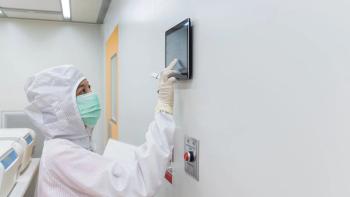
The increasing diversity and complexity of injectable drug products is driving innovation.

This paper highlights considerations based on risk that ensure ongoing success as well as improvement when applying cleaning and decontamination principles for biopharmaceutical cleanroom surfaces.
The facility is on the company’s Bedford, NH campus, where another existing building will be repurposed into a Development Center of Excellence.

Quality, stability, sustainability, and the increased and thoughtful integration of artificial intelligence are foremost in the minds of those on the leading edge of testing trends.

TriLink’s CleanCap capping technology, to which Quantoom will have access in the new partnership, has been used in the majority of all approved COVID-19 mRNA and saRNA vaccines.

Bringing in external expertise may be necessary when internal knowledge is lacking, but it is critical that any contract employee or consultant is comprehensively assessed to ensure the right person is employed.
Nicholas Giovannone of Regeneron explained the strategies behind overcoming re-administration challenges in a recap of his presentation at ASGCT 2025.

Science is propelling advances and operational shifts in the bio/pharmaceutical industry.