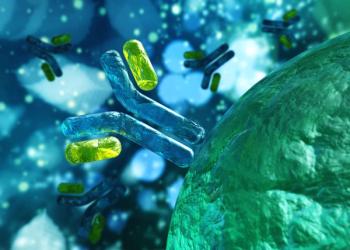
METiS TechBio will apply its AI-driven AiLNP ionizable lipid platform to discover LNPs designed to deliver therapeutics beyond the liver, under a collaboration with Eli Lilly worth up to $1.1 billion in milestones.
Johnson & Johnson has confirmed advancement of the nationwide opioid settlement agreement.
Johnson & Johnson and Janssen Pharmaceutical Companies confirmed on Feb. 25, 2022 that there is sufficient participation to advance the nationwide opioid settlement agreement to resolve opioid-related claims and litigation by states, cities, counties, and other subdivisions in the United States.
The settlement is designed to directly support state and local efforts to address the opioid crisis in the US. Johnson & Johnson will contribute up to $5 billion to the settlement. The company also no longer sells prescription opioid medications in the US as part of the efforts. According to the company, the settlement agreement is not an admission of any liability or wrongdoing, and the company will continue to defend any litigation that this final settlement agreement does not resolve.
Separate settlement agreements were made between the company and the states of New York, Texas, Nevada, and New Mexico that are consistent with the nationwide settlement agreement. The company also announced a settlement agreement with the federally recognized Tribes. The dollar amounts to be received in these settlement agreements will be deducted from the $5 billion nationwide settlement agreement amount in the form of pro rata shares.
Source: