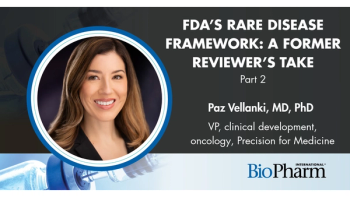
In the second part of a two-part interview, Paz Vellanki of Precision for Medicine explains which confirmatory evidence can support a single-trial approval and why she expects FDA's rare disease framework to last.
The Yale School of Public Health’s regulatory sciences program expansion builds on the current regulatory affairs track program, which focuses on the administrative, policy, and legal aspects of product regulation.
Tevogen Bio announced in a July 14, 2021 press release its support of the Yale School of Public Health’s regulatory sciences program expansion, providing students with professional training. This expanded program builds on the current regulatory affairs track in the Yale School of Public Health’s Master of Public Health program, which focuses on the administrative, policy, and legal aspects of product regulation.
Regulatory sciences on the other hand, focuses on the development of new tools, standards, and approaches to assess the safety, efficacy, quality, and performance of products made by pharmaceutical, biologic, and medical device organizations, in addition to other industries.
“Stakeholders are searching for talented and emerging leaders in regulatory science, but current educational programs are scarce,” said Sten H. Vermund, Dean of the Yale School of Public Health, in a press release. “With Tevogen Bio’s support, we have an opportunity to reimagine our program and to grow it into one that matriculates students who ultimately become national and international leaders in the field.”
Source: