In the first part of a two-part interview, Paz Vellanki of Precision for Medicine explains what sponsors should bring to early FDA meetings and how manufacturing and assay readiness can delay rare disease trials.
Merck Serono announces that it will work with Intrexon to develop a cancer therapy using chimeric antigen receptor T-cells.
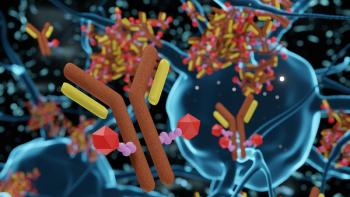
On March 30, 2015 Intrexon, a synthetic biology company, announced an exclusive strategic collaboration and license agreement to develop and commercialize chimeric antigen receptor T-cell (CAR T-cell) cancer therapies. As part of the agreement, Intrexon will receive an upfront payment of $115 million for the first two targets of interest selected by Merck Serono. Intrexon is eligible to receive up to an additional $826 million in development, regulatory, and commercial milestones, and tiered royalties on product sales. Additional payments will be available for Intrexon upon achieving further development milestones.
The agreement gives Merck Serono exclusive access to Intrexon’s proprietary portfolio of CAR T-cell engineering technologies with optimized and inducible gene expression, according to the press release. The company’s capabilities were expanded in
"It is a shared vision to maximize the speed and breadth of multigenic innovation for patients through the use of nimble, nonviral DNA cell manufacturing strategies that can further overcome viral packaging constraints and economic limitations," stated Gregory Frost, PhD, senior vice-president and head of Intrexon's Health Sector, in a press release. "Collectively, this will assemble the most advanced set of technologies to empower the strongest adoptive cell therapy pipeline that can drive innovation through multiple horizons and patient populations."
Merck Serono joins a bevy of large companies diving into the CAR T-cell development market, including Cardio3 BioSciences, Novartis, and Johnson & Johnson. On March 17, 2015, Kite Pharma also
Source: